

Siding Installation in Kewaskum, WI
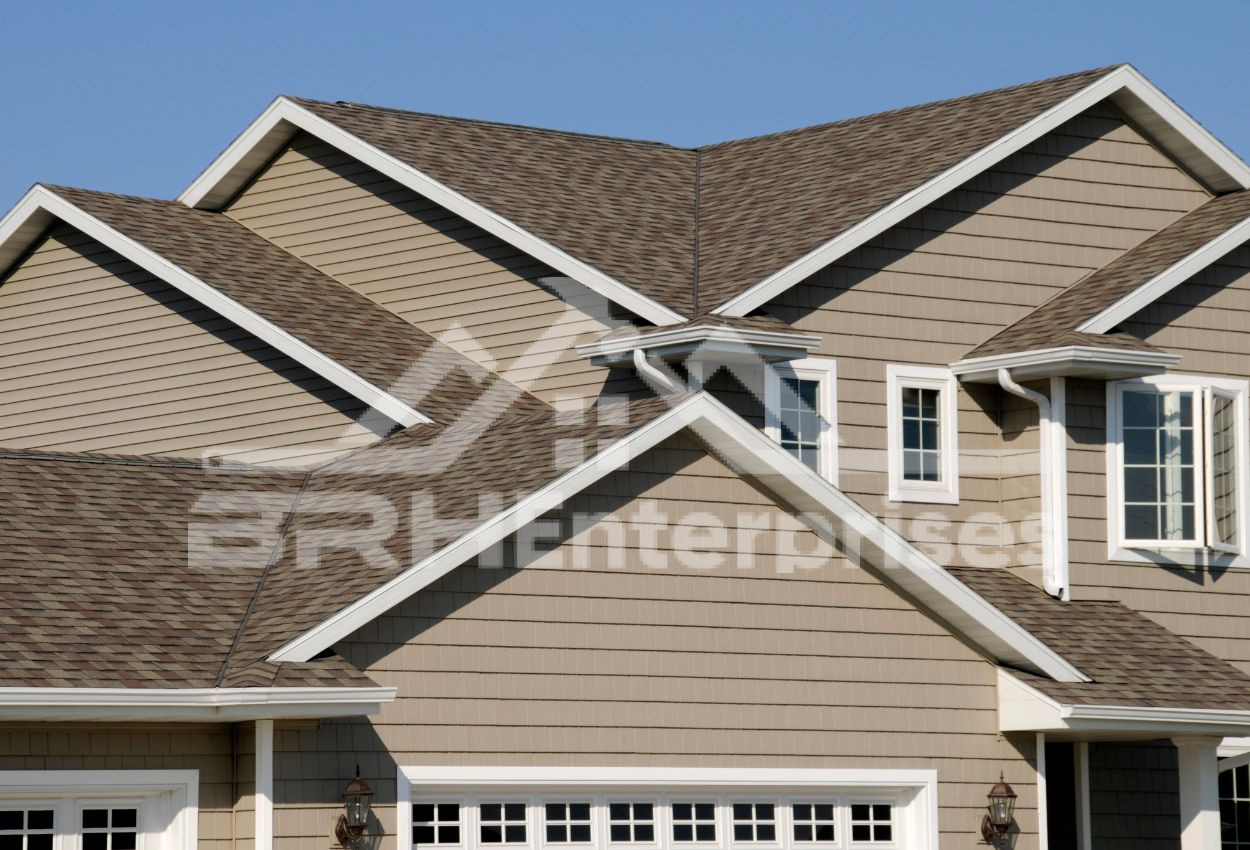
Winters in Kewaskum are cold and windy, and the wet stretch from spring into early fall keeps your walls under pressure almost year-round. Heavy snow, steady wind, and repeated temperature changes work on seams, trim, and fasteners a little at a time. June is often one of the wettest months, so early summer rain tests how well your walls shed water. When siding starts to fail, you tend to see loose panels, cracked caulking, and soft spots that go unnoticed until spring.
The trouble is that much of this damage stays out of sight. Moisture slips behind a loose panel or a worn seam during winter, then shows itself once the snow melts and the ground thaws. Walls that looked fine in November can tell a different story by April, and every wet week in between makes the problem a little bigger.
Professional siding installation is how you get ahead of that. BRH Enterprises LLC is a local contractor that installs siding with Kewaskum's cold, wind, and rain in mind, so your walls are ready for the next round of weather. That means paying close attention to the spots where water likes to find a way in, like seams, trim joints, and the fasteners that hold each panel tight against the wall.
What Happens From First Visit to Finish
A successful siding project starts with understanding the condition of the existing walls and what needs attention before installation begins. We assess the exterior, discuss your options, and review the planned work before moving forward.
- Step 1: Inspect the Existing Walls
We examine the siding, trim, and any older layers beneath the visible surface. We look for soft areas, moisture damage, and uneven wall surfaces that could affect the installation. Older homes can conceal problems, so these findings help determine the work needed. - Step 2: Determine Whether Replacement Is Necessary
We explain whether new siding is the right choice or whether repairs can address the problem. If the existing siding can remain with a few fixes, we tell you why full replacement is unnecessary. Our recommendations focus on the work your home actually requires. - Step 3: Select Materials and Review the Written Quote
We discuss siding options and consider how the new materials will meet existing brick, stone, and trim. You then receive a written quote detailing the planned work and included materials, giving you a clear picture of the project before approving it. - Step 4: Remove the Old Siding and Prepare the Walls
We remove the existing siding and repair damaged underlayment or uneven areas before installing the replacement. We then install water-shedding layers, add flashing around windows, doors, and other openings, and use corrosion-resistant fasteners. Panel placement accounts for the wall's exposure to wind. - Step 5: Review the Finished Exterior Together
After installation, we inspect the trim lines, seams, corners, and details around openings with you. If any areas need adjustment, we address them before considering the project complete.
Local Factors That Shape the Job in Kewaskum, WI
Every siding project in Kewaskum comes with a few local details that decide how smoothly it goes. Knowing them early helps you plan the schedule, pick materials, and avoid delays.
- Approvals first: Both the village and the town require a building permit for siding replacement, including combined window and siding work. Zoning review or inspections may apply. Commercial buildings can also face occupancy, zoning, and fire-separation review, so that sorting-out happens before materials are ordered.
- Cladding choices: Wood, metal, and other siding types each behave differently. Metal needs room for thermal movement, concealed fasteners, corrosion protection, and a factory-applied finish built for long exposure.
- Character homes: Farmhouse, Cape Cod, Colonial, and National Folk homes often have uneven walls and spots where wood meets brick or masonry. New siding should respect the original proportions and trim.
- Exposure and moisture: Low-lying lots near the Milwaukee River watershed collect more dampness, and open rural sites take more wind. That calls for clearance between siding and soil or concrete, solid drainage layers, and corrosion-resistant fasteners.
- Season window: Spring through fall works best. Summer rain can slow progress, fall jobs need to wrap up before lasting freezes, and sealants and adhesives have manufacturer temperature limits.
Sealed Gaps
Hose bibs, light fixtures, vents, and dryer exhausts each get their own sealed and flashed opening so water can't follow the pipe or wire into the wall. These small spots are where moisture most often sneaks in, and they're easy to overlook on a quick job.
Drip Caps and Sill Protection
Metal drip caps go above windows and doors, and sloped sill flashing sits below them. Together, they pull rain and melting snow away from the openings instead of letting it settle in the corners.
Fasteners Set to the Right Depth
Each nail is driven snug but not overdriven, so panels can shift with temperature changes without buckling or rattling in the wind. Corrosion-resistant fasteners hold up to the damp spring and snowy winter you deal with here.
Caulk and Sealant Matched to the Material
We use exterior sealants made for your siding type and apply them only where they belong, such as trim joints and wall transitions. Following the product's temperature limits helps the seal bond and stay flexible instead of cracking after the first cold snap.
Plan Your Siding Visit in Kewaskum, WI
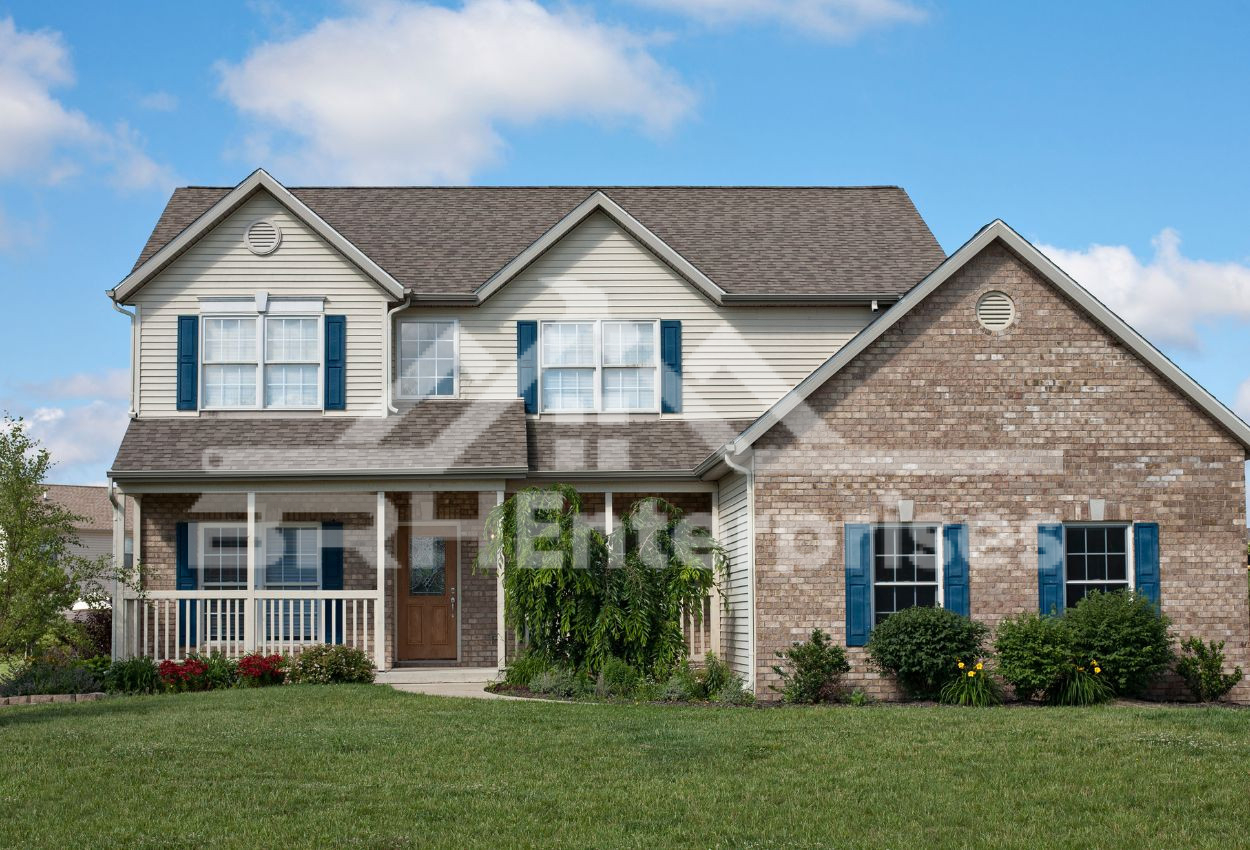
Good siding keeps your walls tight and dry through the hardest stretches of the year, so you spend less time worrying about what is happening behind the panels. Done right, you get a cleaner exterior, durable detailing at the seams and openings, and fewer repairs down the road. That matters most for a home you plan to keep looking sharp and holding its value for years.
BRH Enterprises LLC gives you honest guidance on what your walls actually need, and a written quote you can review at your own pace. Spring through fall is the easiest time to get started, and a visit now gives you room to choose materials without rushing. Reach out to schedule a siding visit, and we will look closely at how new panels should meet your trim, corners, and window openings.