

Siding Installation in Knowles, WI
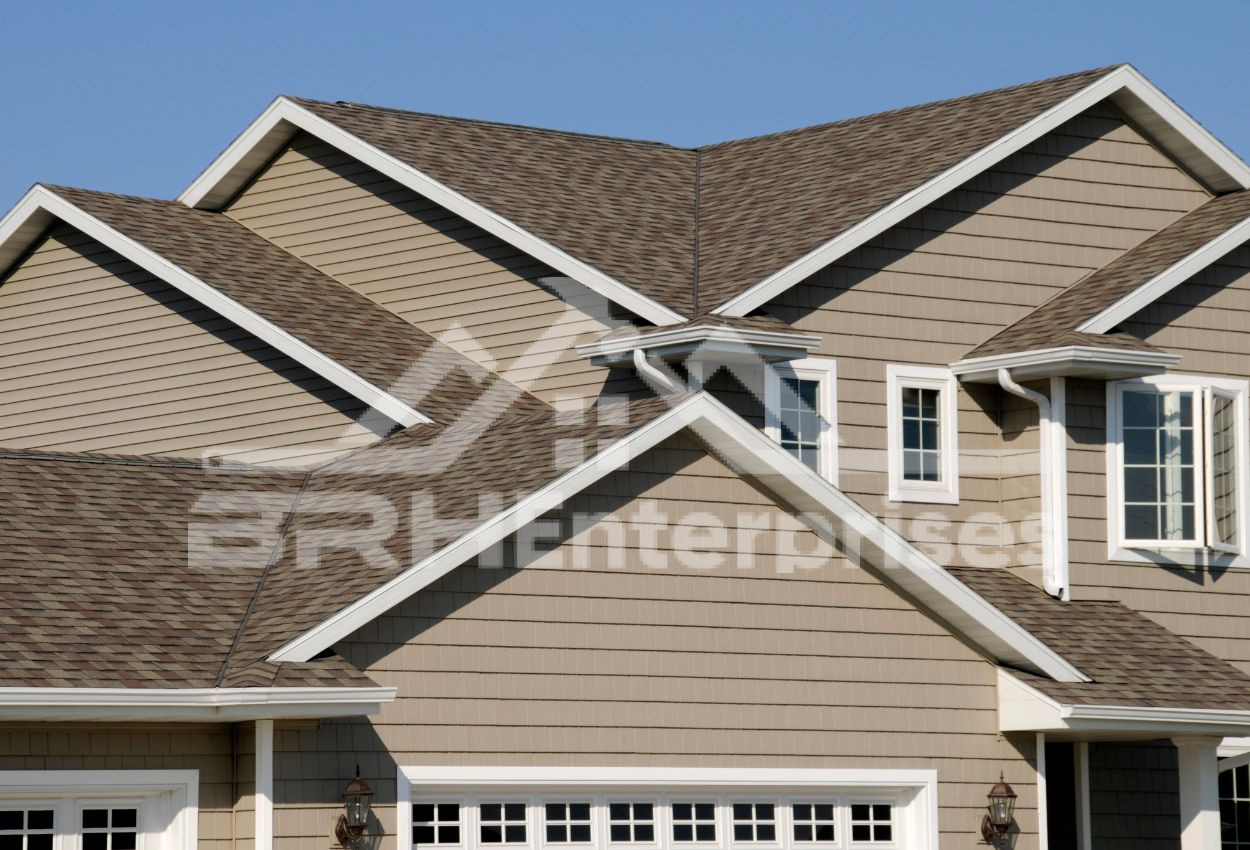
Exterior walls in Knowles take a beating all year. Cold winters bring snow and ice that pile up against the house, wind pushes moisture into every gap, and summer heat dries everything out before the next storm arrives. Spring thaws and heavy thunderstorms create a constant wet-dry cycle that exposes weak spots in the exterior cladding. Farmhouses, ranches, Colonials, wooded-lot homes, and newer subdivision builds each face these conditions in their own way, from long ranch walls to tall Colonial elevations with multiple rooflines.
Siding serves as the primary barrier against the elements. It works as a water-management system, so how it goes on matters as much as the material you pick. Flashing, trim, and the way panels meet windows, doors, and porches decide whether water drains away or gets trapped behind the wall. Wooded and rural lots add shade, damp conditions, and falling debris, which is why durable, low-maintenance choices often make the most sense for homes around here.
BRH Enterprises LLC is a local contractor that looks at the complete wall instead of just the panels. That means handling the flashing, trim, and roofline transitions together, so each part supports the others. Proper integration of these components ensures the underlying structure remains dry and the exterior appearance degrades much more slowly over time.
How a Siding Project Moves Along in Knowles, WI
A siding project is easier to manage when you understand how the work will progress and when decisions need to be made. We assess the existing exterior, explain the available options, and keep you informed through installation and the final review.
- Step 1: Assess the Existing Siding and Walls
We examine the siding, trim, and wall surfaces for soft areas, uneven sections, and separated seams. We pay particular attention to the areas around windows, doors, porches, and additions, where trapped moisture may have damaged the materials beneath the exterior. - Step 2: Determine Whether Repair or Replacement Makes Sense
If repairing a few panels will resolve the problem, we explain why replacing the entire wall is unnecessary. When new siding is the better option, we show you the conditions supporting that recommendation. Our advice is based on the wall’s actual condition, not on expanding the job unnecessarily. - Step 3: Compare Materials and Review Written Pricing
We discuss siding profiles, colors, and material options before providing a written breakdown of the planned work and costs. Permit requirements depend on the municipality and the type of project, so we confirm what applies before work begins. We also coordinate a start date around your schedule and suitable weather conditions. - Step 4: Remove the Old Siding and Prepare the Walls
We protect your landscaping, driveway, and entrances before removing the existing siding. With the walls exposed, we inspect the underlayment and framing and repair any identified damage before covering them again. We then install the water-resistant layer, flashing, and new siding, allowing for the movement required by the selected materials. We clean the work area daily and complete a final cleanup when installation is finished. - Step 5: Inspect the Finished Exterior Together
We walk around the completed exterior with you, checking the corners, trim, and transitions around rooflines and openings. Any areas needing adjustment are addressed before we consider the project complete.
Details That Decide Siding Results in Knowles, WI
Good siding depends on small details that most people never see once the job is done. On Knowles homes, a handful of spots decide whether the wall stays dry for the long haul.
- Openings and wall changes: Corrosion-resistant flashing goes above windows and doors, with drip edge and Z-flashing where needed, so water sheds off the face of the wall instead of slipping behind it.
- Roof decks, porches, and additions: Each attachment creates a seam, and later additions often leave uneven wall planes. Corner posts, butt joints, and trim channels need careful matching so the lines look right.
- Where metal roofing systems meet the wall: Siding has to work with metal roof edges, valleys, and wall intersections. Compatible flashing keeps moisture out and avoids reactions between different metals.
- Fastening with room to move: Panels grow and shrink with the seasons. Following the manufacturer’s clearance rules keeps nails from pinning them tight, which prevents buckling and rippling.
- Soffit airflow and shaded walls: Vented soffits help the attic breathe where siding meets the overhang. On shady, wooded lots, proper ground clearance and drainage help lower wall sections dry out after rain and snowmelt.
Installing proper flashing and trim during a total replacement requires minimal extra effort but provides critical long-term moisture defense.
Color and Profile Options
Lap, vertical, and shake-style profiles come in a range of colors, so a long ranch wall and a tall Colonial front can each get a look that works with the stone, brick, or log already on the property. Picking a finish that holds its color through hot afternoons and snowy winters keeps repainting off your to-do list.
Low-Maintenance Material Choices
Wooded and shaded lots collect damp air, debris, and surface staining, so materials that resist rot and need little upkeep make daily life easier. We help you compare options like fiber cement, engineered wood, and vinyl by how each handles moisture, cold, and heat.
Trim and Corner Finishing
Window casings, corner boards, and the trim along gables and porches frame the whole house and take much of the weather. Clean, sealed trim lines keep the wall looking sharp and give water fewer places to sneak in.
Matching Siding on Additions and Outbuildings
Farmhouses and rural lots often have attached garages, later additions, or sheds that never quite match the main house. Using the same profile and color across these buildings pulls the property together and makes older and newer walls read as one design.
Siding That Lasts in Knowles, WI
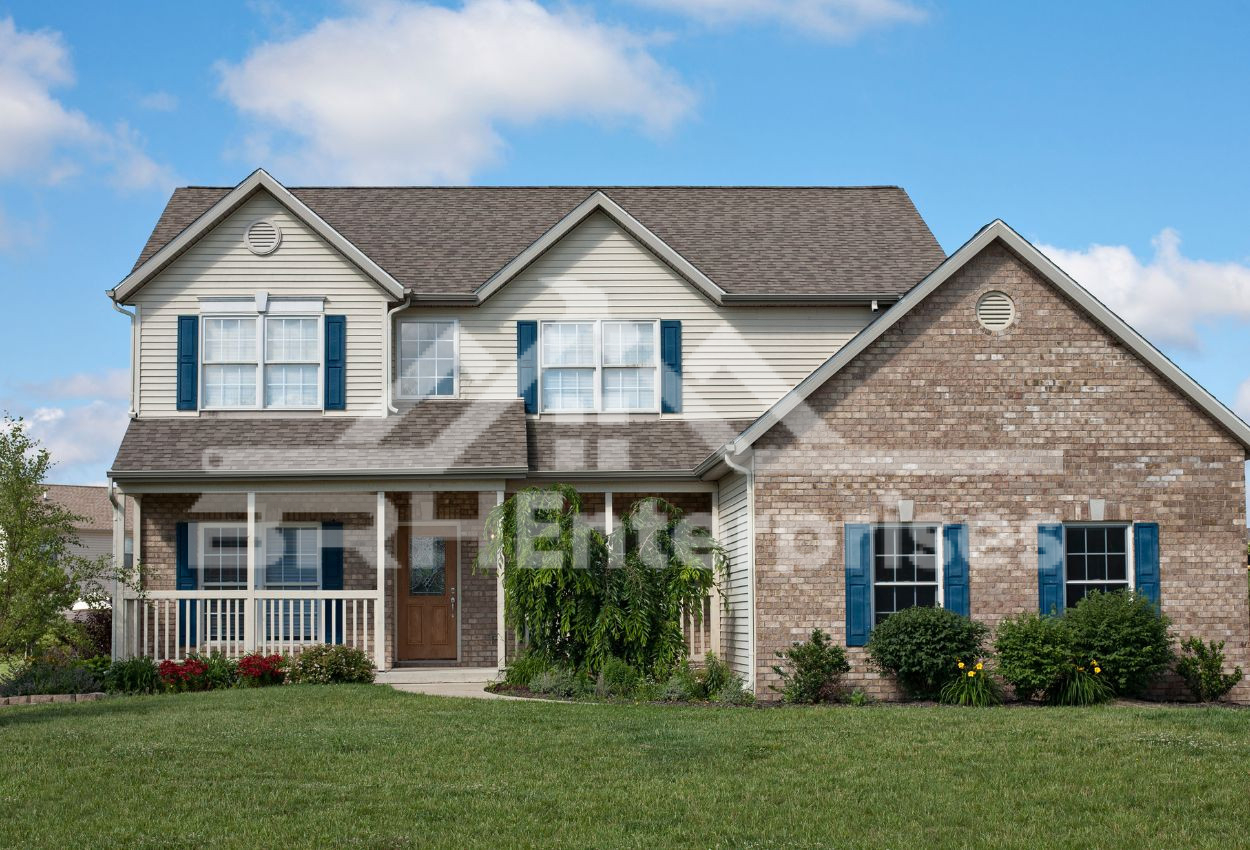
A well-built exterior wall means less time on ladders, fewer paint days, and the framing stays dry behind the finish. Whether your home is a long ranch, a tall Colonial, or a farmhouse with a few additions, new siding gives the whole place cleaner lines and a finished look that matches its style. It also cuts down on the small repairs that tend to pile up as the seasons turn.
If you are thinking about siding in Knowles for your property, BRH Enterprises LLC is happy to talk it over and answer your questions. Late spring through early fall generally gives the best conditions for installation, so planning lets you pick a start date that works. Reach out when you are ready, and we will look at your walls, corners, and trim lines together.