

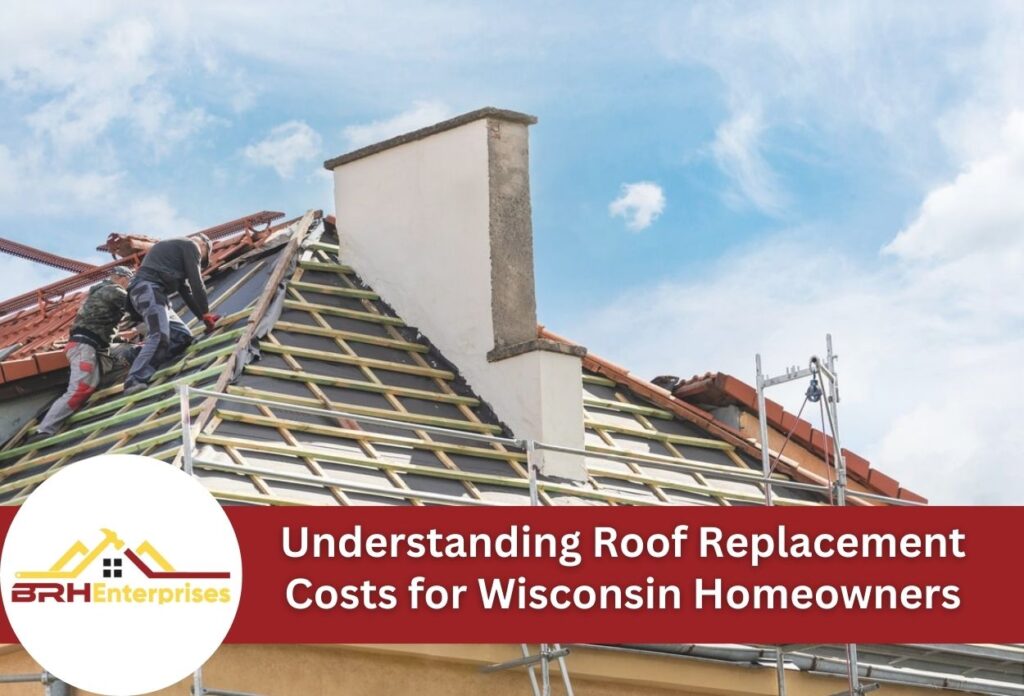
Key Takeaways:
- Determine Your Budget: The average cost to replace a roof in Wisconsin varies significantly by roof size, materials, and climate; obtain multiple detailed estimates and plan out what you’re willing to spend.
- Choose Wisely: Select architectural asphalt shingles for value or premium metal roofing materials for superior longevity against Wisconsin’s harsh weather.
- Ensure Quality: Verify Wisconsin contractors are licensed and insured; demand detailed, written estimates covering materials, labor, and warranties.
Wisconsin homeowners face unique challenges when planning a roof replacement project due to the state’s weather and varying regional market factors. The average cost to replace a roof in Wisconsin depends on multiple variables that create significant price differences across different areas of the state. Local weather patterns, including heavy snow loads, ice dams, and severe storms, directly impact both material selection and installation requirements.
Facts impacting the cost of a roof replacement extend beyond measuring square footage. Wisconsin’s weather creates specific considerations that influence project expenses, from enhanced underlayment requirements to specialized ventilation systems designed to handle temperature fluctuations. Comparing roofing materials becomes essential when balancing upfront investment with long-term durability in harsh Midwest conditions.
Understanding these factors help homeowners make informed decisions about their roof replacement timeline and recognize signs of a new roof before emergency situations develop. Ensuring that you obtain an accurate estimate requires knowledge of regional pricing structures and the unique demands Wisconsin weather places on roofing systems throughout the year.
Key Factors That Should Drive Your Investment in a Roof Replacement
Several critical elements influence the overall investment required for roof replacement projects. Wisconsin’s harsh winter conditions create unique demands on roofing systems that directly affect material choices and installation complexity. Heavy snow, ice dam formation, and extreme temperature swings between seasons require specialized materials and enhanced installation techniques that impact project costs.
Facts impacting the cost of a roof replacement include property-specific variables that vary significantly between homes. The size of the roof is the most obvious factor, but slope, accessibility, and existing structural conditions create additional considerations. Steep pitches require specialized safety equipment and impact how quickly the job can be completed, with poor accessibility requiring crane rentals or additional equipment.
Storm patterns common throughout Wisconsin also influence material selection decisions. Comparing roofing materials reveals significant differences in wind resistance ratings, hail impact, and thermal expansion. Properties with multiple roofing levels, dormers, or complex architectural features may require additional flashing work and custom fitting that extends installation time and increases material waste factors.
Popular Roofing Material Options and The Impact of Cost
Asphalt shingles remain the most common choice for Wisconsin homeowners due to their balance of affordability and performance in harsh climates. These materials offer solid protection against wind, hail, and temperature fluctuations while maintaining reasonable upfront costs. Architectural shingles provide enhanced durability compared to basic 3-tab options, with improved wind resistance ratings that handle Wisconsin’s severe weather patterns effectively.
Metal roofing systems represent a premium option that delivers exceptional longevity and energy-efficient benefits. Steel and aluminum materials excel at shedding snow loads and resisting ice dam formation, making them particularly suitable for Wisconsin’s winter conditions. While the initial investment exceeds asphalt alternatives, metal systems often provide superior value through reduced maintenance requirements and extended lifespan expectations.
Comparing roofing materials reveals important performance differences that affect long-term ownership costs. Clay tiles and slate offer outstanding durability but require structural reinforcement due to weight considerations. Synthetic materials provide lightweight alternatives with enhanced impact resistance, while wood shingles deliver a natural appearance but demand regular maintenance. Each type of material presents distinct advantages when considering Wisconsin’s climate demand and regional building requirements.
Recognizing When Your Wisconsin Home Needs a New Roof
Several visible warning signs indicate when a roof replacement is better than attempting temporary repairs. Missing or severely damaged shingles signal the structure below may be damaged beyond surface-level issues. Granule loss appears as dark patches on asphalt shingles or excessive granules accumulating in gutters, indicating advanced material deterioration that compromises weather protection.
Sagging sections of the roof, water stains on interior ceilings, and daylight visible through roofing boards represent serious structural problems requiring immediate attention. The signs you need a new roof often develop gradually but accelerate rapidly once Wisconsin’s harsh weather enters damaged areas.
Age-related factors significantly influence roof replacement decisions, particularly in Wisconsin’s demanding climate conditions. Most asphalt shingle systems reach replacement age between 15 to 25 years, depending on material quality and weather exposure. Wisconsin’s extreme temperature fluctuations, heavy snow loads, and severe storm activity accelerate normal patterns of wear compared to milder climates. Regular professional inspections help identify deterioration before emergency situations develop, allowing homeowners to plan for a roof replacement strategically rather than responding to crisis situations, which often increase project costs.
Timeline Expectations for Wisconsin Roof Replacement Projects
Seasonal timing significantly affects roof replacement timeline and project success rates throughout Wisconsin. Spring and summer months provide optimal weather conditions for installation work, but contractor availability becomes limited during periods of peak demand. Fall installations offer favorable periods of weather before winter arrives, though shortened amounts of daylight can extend the length of the project. Winter roof replacement projects face substantial challenges due to snow, ice, and extreme temperatures that compromise worker safety and material performance.
Typical roof replacement projects progress through distinct phases that span several weeks under normal conditions. Initial assessment and gaining permits for work requires 1 to 2 weeks, followed by material ordering and scheduled deliveries. Installation work ranges from 3 to seven 7 for standard homes, depending on the size and complexity. Weather delays commonly extend timelines, particularly during spring storms or unexpected drops in temperature that halt installation progress.
Factors affecting project duration include structural repairs discovered during tear-off phases, permit delays, and material availability issues. Complex roof designs with multiple levels or architectural features require additional installation time compared to simple gable configurations. Coordinating project estimates early in the planning process helps secure a preferred window for scheduling that avoids peak season delays that can push projects into less favorable weather periods.
Working with Local Roofing Contractors for Accurate Estimates
Obtaining accurate roofing contractor estimates requires asking specific questions that reveal project size and standards for quality. Wisconsin contractors should provide detailed breakdowns covering material specifications, labor costs, disposal fees, and permit requirements. Essential questions include warranty coverage details, project timeline expectations, and how weather delays will be handled during the installation.
Professional contractors present complete estimates that specify material grades, manufacturer warranties, and installation methods appropriate for Wisconsin’s climate demands. Detailed proposals include calculations of the square footage, waste allowances, and itemized costs for additional components like ventilation systems and flashing materials. Facts impacting roof replacement cost should be clearly explained, including any structural repairs or code compliance upgrades discovered during initial assessments.
Red flags include contractors requesting full payment upfront, providing verbal estimates without written documentation, or pressuring immediate decisions following door-to-door solicitation. Wisconsin licensing requirements mandate proper credentials that homeowners should verify through state databases. Insurance verification protects against liability issues, while local reputation research through recent customer references reveals actual performance quality. Comparing roofing materials and installation approaches across multiple qualified contractors ensures appropriate solutions for specific property requirements and budget considerations.
Making Smart Financial Decisions for Your Roof Investment
Strategic financial planning transforms roof replacement from a stressful emergency expense into a manageable home improvement investment. Wisconsin homeowners have access to various financing options that make quality roofing projects affordable while preserving household cash flow. Personal loans, home equity lines of credit, and specialized roofing financing programs offer flexible payment structures that align with individual budget requirements.
Understanding the facts impacting the cost of roof replacement helps homeowners allocate appropriate funds for their specific project. Creating realistic budgets requires accounting for potential structural discoveries, permit fees, and disposal costs that extend beyond basic material and labor expenses. Setting aside contingency funds also helps prevent financial strain when unexpected repairs emerge during the installation.
Insurance can play a crucial role in roof replacement financing, particularly following storm damage events common throughout Wisconsin. Homeowner policies often cover replacement costs when damage results from covered risks, though understanding deductible structures and depreciation policies affects out-of-pocket expenses. Warranty protection from both manufacturers and contractors provides valuable coverage against defects and installation issues. Comparing roofing materials includes evaluating warranty terms that range from basic coverage to comprehensive protection plans spanning several decades, directly impacting long-term ownership costs and potential repair expenses.
Unlock Your Roof’s Potential with BRH Enterprises LLC
Understanding the intricate details of roof replacement in Wisconsin is crucial, but taking the next step towards a secure and durable roof is even more important. If you’re noticing the signs that your roof may need replacement, don’t wait until it’s too late. Harsh Wisconsin winters and unpredictable weather patterns demand a robust response.
Contact BRH Enterprises LLC today at (920) 249-4228 to schedule a comprehensive assessment. Our experts will provide you with a detailed estimate, considering all the specific needs of your property and the best materials suited for Wisconsin weather.

Bryce, Master Roofer
Frequently Asked Questions
Got questions about your roof? We’ve got answers. From maintenance tips to insurance claims and repair timelines, our FAQ section covers the most common concerns homeowners have. Get informed and make confident decisions about protecting your home.
People Also Ask
Beyond just materials, what specialized components or techniques are essential for a reliable roof replacement in Wisconsin's challenging climate?
Roofs in Wisconsin demand enhanced ice and water shields for superior leak protection, especially around eaves and valleys. Proper attic ventilation is also crucial to prevent ice dams and moisture buildup, preserving your new roof’s structural integrity through extreme temperature cycles. This also ensures long-term performance.
When considering a Wisconsin roof replacement, how do homeowners determine if their existing structure can support heavier roofing materials like slate or tile?
A qualified roofing contractor or structural engineer must assess your home’s framing and foundation. They analyze the roof’s load-bearing capacity against the chosen material’s weight per square foot. This crucial step prevents future structural issues and ensures safety, especially with heavy snow loads.
What are the potential long-term risks if a Wisconsin homeowner delays a necessary roof replacement when signs of wear are evident?
Delays can lead to escalating damage, including widespread water infiltration that harms interior ceilings, walls, and insulation. This encourages mold growth and can harm your home’s structural integrity. Procrastination often results in more extensive and complex repairs later, impacting overall home value.
Related Articles
-
 January 15, 2026How to Identify Roof Damage from Snow and Prevent Expensive RepairsConcerned about snow harming your roof? Discover expert tips to spot snow-related damage early.
 -
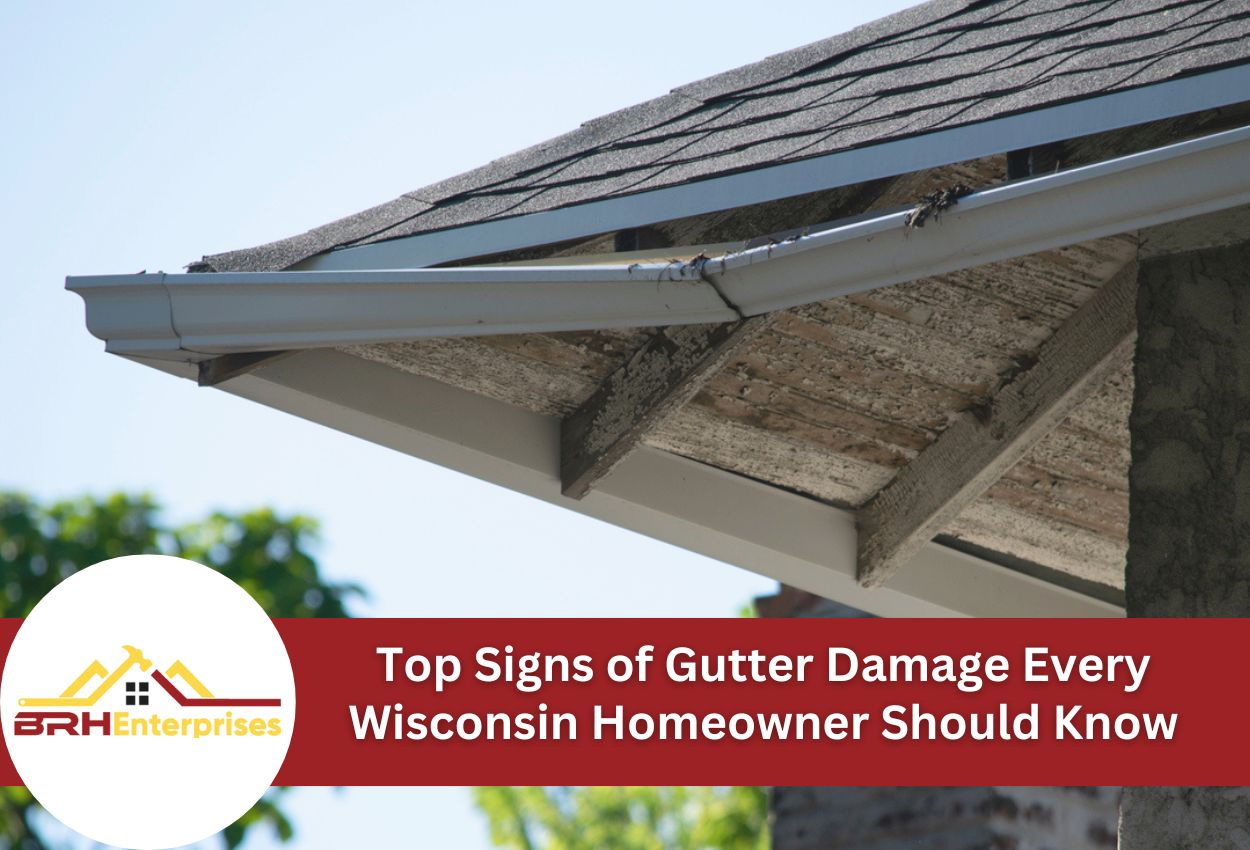 July 9, 2025Top Signs of Gutter Damage Every Wisconsin Homeowner Should KnowWater stains or sagging gutters? Catch gutter damage early to prevent leaks and protect your Wisconsin home.
 -
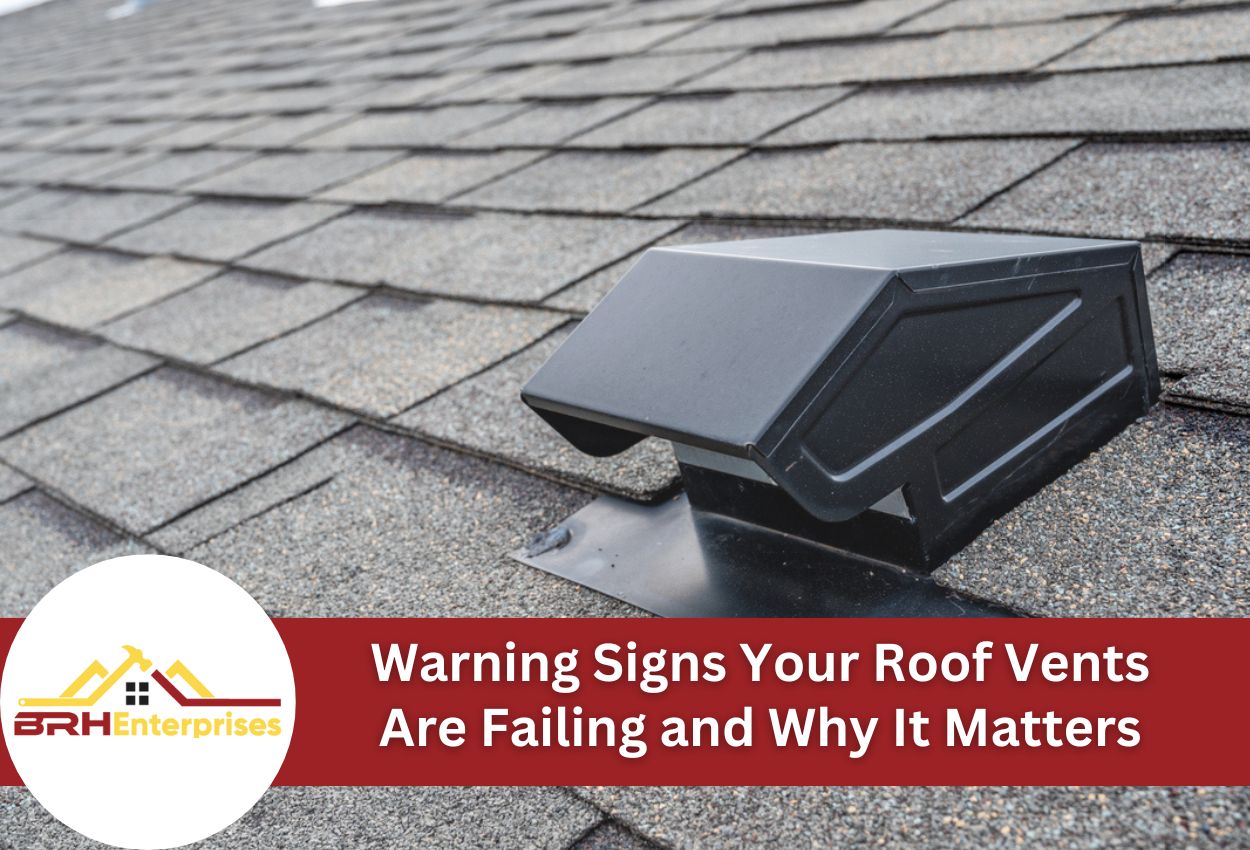 October 30, 2025Warning Signs Your Roof Vents Are Failing and Why It MattersIs your attic overheating or too humid? Discover the signs of roof vent failure that drive up energy costs and cause moisture damage.
Protect Your Home with Expert Roofing
Don’t wait for leaks or storm damage to cause costly repairs. Our experienced roofing team provides fast, reliable service, high-quality materials, and lasting results. Ensure your home stays safe, secure, and looking great—contact us today for a free estimate.