

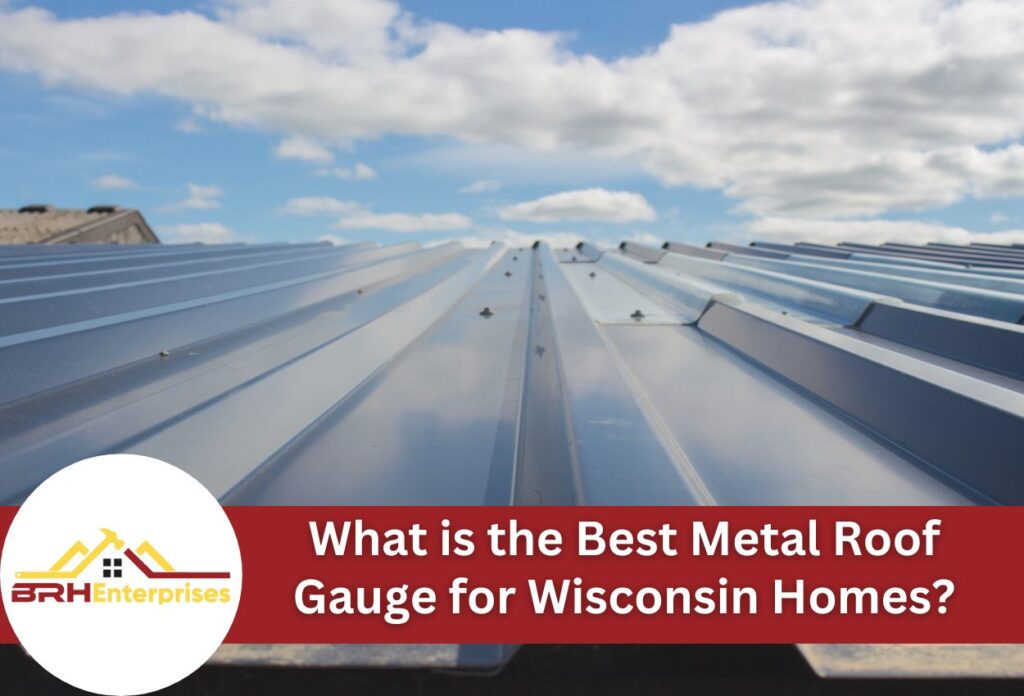
The metal roof gauge determines the thickness and strength of your roofing material, making it a critical factor for Wisconsin homeowners facing brutal winters and heavy snow. The gauge number works inversely: lower numbers indicate thicker, stronger metal. A 24-gauge steel roof offers more durability than a 26-gauge option, providing superior protection against Wisconsin’s harsh weather conditions.
Understanding the importance of metal roof thickness in Wisconsin is essential because of the state’s challenging climate. Heavy snowfall, ice accumulation, and extreme temperature fluctuations need residential metal roofing materials that can withstand significant stress without compromising structural integrity. The wrong gauge selection can lead to premature failure, expensive repairs, and inadequate protection for your home.
Metal roof gauge recommendations vary based on your specific location within Wisconsin and local building requirements. Areas with heavier snowfall generally require thicker materials to handle the increased load. Metal roof durability in cold climates depends heavily on selecting an appropriate gauge that prevents warping, cracking, or structural failure during severe storms.
Proper gauge selection directly impacts your roof’s longevity and performance. It is important for homeowners to choose metal gauges that meet regional weather demands while providing decades of reliable protection for their property.
How Wisconsin’s Weather Affects Metal Roofs
Wisconsin’s extreme weather patterns directly impact a metal roof’s performance and gauge requirements. Heavy snow can exceed 50 pounds per square foot in many areas, placing tremendous stress on roofing materials throughout the extended winter months. Ice buildup forms when temperature fluctuations cause repeated melting and refreezing cycles, creating additional weight and potential structural damage to inadequately supported metal roofing systems.
Freeze-thaw cycles can be very damaging to residential metal roofing materials. As temperatures swing from below freezing to way above freezing, metal expands and contracts repeatedly, testing the durability and flexibility of different gauge options. Thicker metal roofs provide better resistance to these constant temperature changes, reducing the risk of fatigue failure over time.
Seasonal temperature changes in Wisconsin can span over 100 degrees between winter lows and summer highs. This extreme range creates significant stress factors that influence gauge recommendations for residential applications. Thinner gauges may experience warping, oil canning, or premature wear when subjected to such dramatic temperature swings combined with heavy precipitation.
Metal roof durability in cold climates depends on selecting an appropriate thickness to handle these environmental stresses. Properties in northern Wisconsin counties typically require heavier gauge materials compared to southern regions due to increased snowfall and longer periods of freezing temperatures that intensify weather-related challenges.
Common Metal Roof Gauges and Their Strengths
The three most popular metal roof gauges for Wisconsin homes are 29 gauge, 26 gauge, and 24 gauge, each with different thicknesses and structural capabilities. A 29-gauge metal roof measures approximately 0.0142 inches thick, making it the thinnest option but still suitable for many residential applications. The 26-gauge option increases to 0.0179 inches thick, providing enhanced strength and durability. The robust 24-gauge metal roof reaches 0.0239 inches in thickness, delivering maximum structural performance for harsh climates.
Metal roof thickness in Wisconsin directly correlates with load-bearing capacity and weather resistance. The 29-gauge option works well for moderate climates but may struggle under the substantial snow common in Wisconsin winters. The 26-gauge provides a balanced approach, offering improved strength with reasonable material costs. Some professionals may even recommend 24-gauge metal roofs for Wisconsin homes due to superior structural integrity and longevity.
Each gauge option has advantages and limitations for different residential properties. While 29-gauge offers a lower cost, it may experience oil canning and reduced lifespan under extreme conditions. The 26-gauge strikes a middle ground with adequate strength for most applications. The 24-gauge excels in cold climates, resisting denting, warping, and thermal expansion issues. Meeting metal roof installation standards requires careful gauge selection based on local weather patterns and structural requirements for optimal long-term performance.
Suggested Gauges for Wisconsin Residential Properties
Professional roofing contractors typically recommend 26-gauge steel for most Wisconsin single-family homes due to superior structural integrity and weather resistance. This metal roof thickness provides reliable protection against heavy snow and extreme temperature fluctuations that are common throughout the state. Homes with steep roof pitches above 6:12 may accommodate thinner gauge materials since snow sheds more effectively, reducing stress on the roofing system.
Structure size significantly influences gauge recommendations for Wisconsin properties. Larger homes with expansive roof areas often require thicker materials to prevent oil canning and maintain structural stability across wide spans. Buildings exceeding 2,000 square feet typically benefit from 24-gauge installation, while smaller structures may perform adequately with 26-gauge materials when installed according to manufacturer specifications.
Older homes may have more challenges that impact gauge choice. Properties built before modern building codes may have less robust structural support, necessitating heavier gauges to compensate for potential framing limitations. Historic homes with irregular roof lines or complex architectural features often require thicker gauge materials for improved durability in cold climates while accommodating structural irregularities.
Additions and renovations need special attention to gauge selection when integrating new metal roofing panels with existing structures. Metal roof installation standards require matching or exceeding the performance characteristics of original roofing materials while considering updated building requirements and enhanced weather protection.
Material Recommendation: The Benefits and Durability of Steel
Steel is one of the most popular options for residential metal roofs because of its mix of strength and moderate cost. However, steel roofing materials require specialized coatings and alloy compositions for long-term protection against rust and deterioration. Galvanized steel provides basic corrosion protection through a zinc coating, while Galvalume steel combines aluminum and zinc for enhanced durability against moisture and temperature extremes. These coating systems work with appropriate gauge thickness to create roofing systems capable of withstanding decades of harsh weather exposure.
Advanced coating technologies like Kynar 500® and SMP (silicone-modified polyester) offer superior protection when applied over steel substrates. The coating effectiveness depends heavily on underlying material thickness, as thicker gauge steel provides better dimensional stability that prevents coating stress and premature failure. Quality residential metal roofing materials integrate these protective layers with appropriate steel thickness to maximize weather resistance.
Variations in steel composition affect its performance significantly in cold climates. High-tensile strength steel alloys maintain structural integrity better than standard grades when subjected to thermal cycling and heavy snow. These specialized materials work most effectively when manufactured in heavier gauges, providing the foundation for long-term metal roof durability in cold climates.
Choosing the best steel type, coating system, and gauge thickness ensures the metal roof delivers maximum protection against Wisconsin’s freeze-thaw cycles, heavy precipitation, and extreme temperature variations throughout its extended service life.
Installation Standards and Professional Requirements
Proper installation techniques are essential for lasting metal roof performance, regardless of gauge selection. Professional installation begins with a structural support assessment, ensuring the building framework can handle both the roofing material and anticipated snow accumulation. Fastener placement follows manufacturer specifications precisely, with screw depths and spacing patterns designed to accommodate thermal expansion while maintaining secure attachment points throughout seasonal temperature changes.
Qualified contractors understand Wisconsin building codes require specific installation protocols for metal roofing systems. Panel overlap measurements, underlayment requirements, and flashing details must align with local code requirements and manufacturer guidelines. Improper installation techniques can compromise even the best steel roofs, leading to premature failure, water infiltration, or structural damage during severe weather events.
Professional installation crews recognize that residential metal roofing materials require specialized tools and techniques that differ from traditional asphalt shingle applications. Thermal movement considerations are critical when working with various gauge options, as thicker materials have different expansion characteristics. Experienced installers incorporate expansion joints, proper fastener patterns, and appropriate underlayment systems to accommodate these material behaviors effectively.
Metal roof installation standards include working with certified contractors who continuously train on evolving techniques and materials. Professional installation ensures your chosen gauge performs according to design specifications, delivering the expected durability while meeting all applicable building codes and warranty requirements for long-term protection.
Making Your Final Gauge Decision
Selecting the right metal roof gauge requires looking at multiple factors specific to your property. Climate considerations rank among the most critical decision factors, as Wisconsin’s snow and temperature extremes mean materials must be capable of withstanding decades of harsh conditions. Your home’s structural capacity, roof pitch, and architectural complexity also influence which gauge options provide adequate performance without compromising building integrity.
Budget considerations must balance initial material costs against long-term value and maintenance requirements. While thicker gauges have higher upfront prices, the enhanced durability in cold climates often justifies the investment through reduced repair needs and extended service life. Properties in high-snowfall regions benefit significantly from 24-gauge installations, whereas moderate climate zones may achieve satisfactory performance with 26-gauge materials.
A professional consultation is essential when evaluating gauge recommendations for roofs with complex architectural features or unique designs. Experienced contractors assess your specific situation, including roof complexity, local weather patterns, and building age, to recommend the appropriate metal roof thickness.
When interviewing roofing professionals, verify their experience with residential metal roofing materials and if they have manufacturer certifications. Ask for photos of recent installations and avoid contractors who cannot provide detailed explanations of their process or push solutions without considering your property’s specific requirements. Quality contractors prioritize meeting metal roof installation standards while explaining how their recommendations address your home’s needs.
Choose the Best Metal Roof for Your Wisconsin Home with BRH Enterprises LLC
When selecting the best metal roof gauge for your Wisconsin home, consider the specific challenges posed by the local climate. Heavy snowfall, severe cold, and rapid temperature changes require a durable roofing solution. At BRH Enterprises LLC, we recommend metal roof gauges that are designed to withstand these harsh conditions, ensuring durability and longevity for your home.
Understanding the differences between 29, 26, and 24-gauge metal roofs can help homeowners make a final decision. Thicker gauges like 24 are typically best for areas with heavy snowfall because they provide greater structural strength and resistance against weather-related damage.
If you’re unsure about the right gauge for your home or if you have any specific concerns regarding metal roof installation in Wisconsin, don’t hesitate to contact BRH Enterprises LLC. Call us today at (920) 249-4228 to ensure your home is equipped with the best metal roof gauge for long-term performance and protection.

Bryce, Master Roofer
Related Articles
-
 May 4, 20245 Best Types Of Roof Vents & Top ProductsConsidering the importance of properly ventilated roofs, it’s essential to look into the many types of roof vents and products …
Continue reading "5 Best Types Of Roof Vents & Top Products"
-
 July 15, 2025Dark vs. Light Roof Shingles: Making the Right Choice for Your HomeDark vs. light shingles? See how each affects energy, comfort, and durability in Wisconsin to choose what’s best for your home.
 -
 August 4, 2025Is a Partial Roof Replacement Possible? Understanding Your OptionsIs partial roof replacement worth it? Find out when it makes sense, how to match materials, and save on costs.
Protect Your Home with Expert Roofing
Don’t wait for leaks or storm damage to cause costly repairs. Our experienced roofing team provides fast, reliable service, high-quality materials, and lasting results. Ensure your home stays safe, secure, and looking great—contact us today for a free estimate.