

How Often Should You Replace Roof Flashing: Your Complete Guide
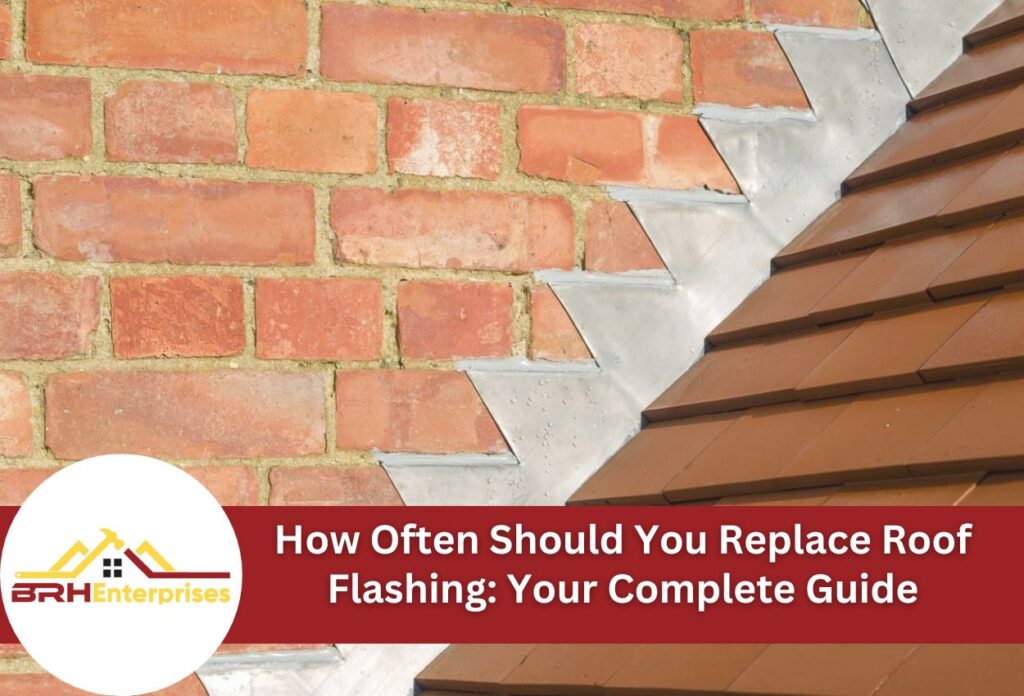
Roof flashing protects your home against leaks, sealing the edges of chimneys, vents, skylights, and other roof penetrations. Despite its critical role in protecting your property from water damage, many homeowners remain uncertain about when to replace roof flashing and how to recognize the warning signs of deterioration.
How often you should replace roof flashing depends on many factors, including material type, installation quality, weather exposure, and regional climate conditions. Most roof flashing systems last between 20 and 30 years, though certain materials and weather conditions can significantly impact this timeline.
Wisconsin’s challenging weather patterns can stress roofing systems throughout the year. Freeze-thaw cycles, heavy snow, ice dams, and severe storms accelerate flashing wear on flashing materials. Temperature fluctuations cause expansion and contraction that can compromise seals, while moisture exposure leads to corrosion and structural damage.
Recognizing when to replace roof flashing requires understanding both visible deterioration and subtle changes. Damaged roof flashing repair is necessary when homeowners notice rust, cracks, loose sections, or interior water stains that suggest compromised roof integrity.
How Long Different Flashing Materials Generally Last
Different flashing materials offer varying levels of durability, directly affecting how often you should replace these components. Aluminum flashing typically provides 15 to 20 years of reliable service, making it a popular choice for residential applications. This lightweight material resists corrosion well but can be susceptible to thermal expansion issues in regions with extreme temperature variations.
Copper flashing stands out as the most durable option, with a lifespan extending 50 years or more when properly installed. While copper requires a higher initial investment, its exceptional resistance to weathering and natural patina formation provides superior long-term protection. Lead-coated copper combines copper’s durability with enhanced flexibility, offering similar longevity with improved protection.
Galvanized steel flashing presents an affordable choice but typically requires replacement after 15 to 20 years. The protective zinc coating eventually wears away, exposing the underlying steel to rust and deterioration.
Wisconsin’s harsh freeze-thaw cycles significantly impact all flashing materials. Repeated temperature fluctuations cause expansion and contraction that can loosen fasteners and create gaps in seals. Ice buildup adds additional stress, while seasonal moisture changes accelerate corrosion and rust. These regional climate factors often reduce expected material lifespans, making regular roof flashing maintenance essential for long-term performance.
Warning Signs That Indicate Your Roof Flashing Needs Immediate Replacement
Recognizing roof flashing replacement signs early can prevent extensive water damage and expensive repairs. Several visual indicators clearly signal roof flashing damage before problems escalate. Rust formation represents one of the most obvious warning signs, particularly on galvanized steel flashing where the protective coating has deteriorated. Corrosion typically begins at joints and fastener points, gradually spreading across the entire flashing surface.
Visible cracks in flashing material indicate structural compromise that allows water to seep underneath. These fissures often develop along bend lines where thermal expansion creates stress concentrations. Loose sections that have separated from roof surfaces or pulled away from chimneys and vents signal fastener failure or sealant deterioration. When flashing moves independently from the roof structure, its waterproofing integrity becomes completely compromised.
Interior warning signs often provide the first indication of damaged roof flashing. Water stains on ceilings or walls near roof penetrations suggest flashing failure has allowed moisture infiltration. These stains typically appear as brown or yellow discoloration that expands over time as water damage progresses.
Basement moisture problems and attic dampness can also indicate compromised flashing systems. Paint peeling around interior chimney areas or musty odors near roof penetrations signal ongoing leaks. The roof flashing’s lifespan effectively ends when these interior symptoms appear, requiring an immediate professional evaluation to determine the extent of the problem and prevent structural damage.
Preventive Maintenance Strategies to Extend Flashing Life
Having a roof flashing maintenance schedule can significantly extend the time between major replacements and help identify issues before they require extensive repair. Inspections should include both seasonal assessments and post-storm evaluations to catch problems early in their development.
Spring and fall provide the mild weather conditions needed for a comprehensive flashing assessment. These seasonal checks allow homeowners to evaluate winter damage and prepare for upcoming weather challenges. During inspections, look for loose fasteners, cracked sealant, debris accumulation, and early signs of corrosion. Documenting the condition with photographs helps track deterioration patterns and establish baselines for future comparisons.
Cleaning can also help extend the roof flashing’s lifespan. Remove leaves, branches, and other debris that trap moisture against flashing surfaces. Use soft brushes and mild detergent solutions to clean accumulated dirt and grime without scratching protective coatings. Avoid pressure washing directly on flashing joints, as high-pressure water can force moisture behind seals.
Minor repair methods can address small issues before they need complete replacement. Apply quality roofing sealant to small gaps or cracks immediately upon discovery. Replace individual loose fasteners with appropriate corrosion-resistant screws. Keep gutters clean to prevent water backup that can stress flashing systems around roof edges.
Knowing when to replace roof flashing becomes easier when maintenance records document gradual deterioration. These proactive measures can extend the roof flashing’s lifespan by several years while maintaining optimal protection.
Professional Assessments and Replacement Decisions
Knowing when to call a roofing contractor for an expert evaluation is crucial when roof flashing replacement signs appear. Professional contractors have the knowledge and tools necessary to accurately determine whether damaged roof flashing repair or complete replacement offers the most cost-effective solution. Their expertise is especially helpful when dealing with complex roof configurations, multiple penetration points, or situations where the roof flashing appears compromised.
Roofing professionals evaluate flashing systems using comprehensive assessment protocols that examine both visible conditions and underlying structural integrity. They inspect fastener security, sealant adhesion, material thickness, and joint alignment to determine remaining service life. Professional evaluations also consider the compatibility between existing flashing and surrounding roofing materials, identifying potential interaction problems that could accelerate deterioration.
During professional inspections, contractors assess drainage patterns around flashing installations, checking for water pooling or improper slope that contribute to premature failure. They examine the condition of surrounding roofing materials to determine whether flashing replacement should coordinate with broader roofing maintenance or replacement projects.
Essential questions to ask roofing contractors during flashing work include material recommendations based on local climate conditions, the expected service life for proposed solutions, and warranty coverage for both materials and installation work. Ask about their experience with similar flashing configurations and for photos of recent projects. Understanding their roof flashing maintenance recommendations helps establish ongoing care routines.
Strategic Timing for Flashing Replacement Projects
Timing flashing replacement projects strategically can significantly impact both project success and overall costs. Understanding the best seasons for this specialized roofing work helps ensure proper installation conditions while maximizing the lifespan of new materials. Wisconsin’s four seasons each have advantages and challenges that directly influence the result of the flashing replacement project.
Spring and early fall represent the ideal windows for planned flashing replacement projects. These seasons offer moderate temperatures and lower precipitation levels that facilitate sealant curing and material installation. Contractors can work more efficiently during these periods, reducing labor time and ensuring thorough attention to detail. Moderate weather conditions also allow adequate drying time for surfaces and complete adhesion of waterproofing compounds.
Coordinating flashing replacement with broader roofing maintenance creates advantages in terms of work efficiency. When roof replacement or major repairs are already planned, addressing flashing systems simultaneously eliminates redundant setup costs and potential disruption to surrounding materials.
Emergency replacement situations require different timing considerations entirely. Winter flashing failures need quick attention, no matter the weather conditions, as delayed repairs can lead to extensive water damage and structural problems. Emergency repairs often focus on temporary weatherproofing until proper replacement can occur during favorable weather.
Planning budgets should account for both scheduled maintenance and unexpected failures. Setting aside funds for emergency damaged roof flashing repair helps homeowners respond quickly to sudden deterioration without compromising repair quality due to financial constraints. This proactive financial planning ensures prompt professional response when roof flashing maintenance exceeds normal expectations.
Long-Term Protection Through Quality Installation and Material Selection
Maximizing the roof flashing’s lifespan requires both professional installation techniques and high-quality materials. Proper installation methods can extend the intervals between future replacements by decades, providing superior long-term value compared to quick fixes or substandard work. Quality materials paired with expert craftsmanship create flashing systems that withstand Wisconsin’s demanding weather conditions while maintaining their integrity throughout their expected service life.
Professional installation techniques directly impact how often you should replace roof flashing. Experienced contractors ensure proper overlap dimensions, secure fastener placement, and complete sealant coverage that prevents moisture infiltration. They understand thermal expansion requirements and install materials with appropriate allowances for seasonal movement. Quality installation also includes seamless integration with existing roofing materials and drainage systems.
Working with qualified roofing contractors means the installations meet current building standards and manufacturer specifications. Certified contractors possess the training and experience necessary to handle complex flashing configurations around chimneys, skylights, and vent penetrations. They understand local building codes and can ensure installations comply with warranty requirements that protect homeowners’ investments.
The difference between standard and premium materials is clear when looking at long-term performance. High-grade flashing materials resist corrosion longer, maintain their structural integrity through repeated freeze-thaw cycles, and provide better resistance to wind uplift and thermal stress. Investing in quality materials reduces the likelihood of premature damage and minimizes the need for repair between replacement cycles. This approach ultimately provides better value through extended service life and reduced maintenance requirements.
Protect Your Home with BRH Enterprises LLC’s Roof Flashing Services
As you maintain your roof over time, understanding when to replace roof flashing is crucial. Wisconsin’s harsh weather means durable and well-maintained flashing is needed to prevent water damage and structural issues. If you notice any signs of rust, corrosion, or separation of the flashing from the roof structure, it’s time to take action. Don’t wait for water damage to signal an overdue replacement. Contact BRH Enterprises LLC today at (920) 249-4228 to learn more about our roof flashing services. Our experts will help you determine whether a simple repair or a complete replacement is necessary, ensuring your roof remains in top condition for years to come.

Bryce, Master Roofer
Related Articles
-
 November 11, 2025What Are Class 4 Impact-Resistant Shingles? Understanding Their Superior ProtectionLooking for better hail protection for your roof? Learn how Class 4 impact-resistant shingles safeguard your home and help you save money.
 -
 August 7, 2024How Much Does Metal Roofing Cost In Wisconsin?You may know the size of your home and the price of all the materials, but calculating a roof replacement …
Continue reading "How Much Does Metal Roofing Cost In Wisconsin?"
-
 August 28, 202410 Top Shed Roofing Materials: Pros and ConsIs the roof on your shed getting old? Or do you have a completely new backyard getaway in mind? Selecting …
Continue reading "10 Top Shed Roofing Materials: Pros and Cons"
Protect Your Home with Expert Roofing
Don’t wait for leaks or storm damage to cause costly repairs. Our experienced roofing team provides fast, reliable service, high-quality materials, and lasting results. Ensure your home stays safe, secure, and looking great—contact us today for a free estimate.