

Key Takeaways
- Ground Level Check: To identify roof damage from snow, look for sagging rooflines, pulling gutters, missing shingles, cracked flashing, or large icicles from the ground.
- Inspect Indoors: Watch for water stains on ceilings/walls, unusual drafts, varying room temperatures, or creaking sounds indicating roof stress from snow.
- Identify Ice Dams: Spot ice dams at roof edges, forcing water under shingles, causing fascia rot, wet insulation, and interior wall stains.
Snow accumulation creates serious threats to residential roofs throughout Wisconsin, where heavy snowfall and freeze-thaw cycles can cause structural damage within hours. Recognizing signs of snow damage on roof surfaces early prevents minor issues from developing into major problems requiring extensive repairs. Winter weather patterns in Southern Wisconsin produce specific challenges, including ice dam formation, excessive snow loads, and rapid temperature fluctuations that stress roofing materials.
Homeowners who understand how to spot damage indicators can take swift action to protect their property investment. Assessing winter roof damage involves examining both visible exterior signs and interior warning signals that indicate compromised roof integrity. Problems with heavy snow on a roof often manifest gradually, making regular inspection essential during and after snowstorms. Ice dam damage frequently occurs along roof edges and gutters, where melting snow refreezes and creates water backup. Conducting a thorough roof inspection after a snowstorm helps identify issues before they escalate into costly structural repairs or interior water damage.
Visual Warning Signs of Snow Damage You Can Spot From the Ground
Examining your roof from ground level reveals critical signs of snow damage on the roof structures that require immediate attention. Sagging rooflines indicate excessive snow loads have exceeded the roof’s weight capacity, creating potential for structural failure. When assessing winter roof damage, look for gutters pulling away from the house or hanging at unusual angles, which signals stress from heavy snow accumulation or ice formation.
Missing or damaged shingles become visible after snowmelt, exposing dark patches on the roof surface that indicate compromised protection. Cracked or displaced flashing around chimneys, vents, and roof joints allows water penetration during freeze-thaw cycles. Large icicle formations extending from gutters often signal ice dam damage, where trapped water backs up under shingles. Problems from heavy snow on a roof also manifest as visible bowing or depression in roof sections. Conducting a roof inspection after a snowstorm from multiple ground angles helps identify these warning signs before they develop into serious structural issues requiring emergency repairs.
Interior Indicators That Snow Has Compromised Your Roof
Water stains appearing on ceilings and walls serve as primary indicators of a leak forming from melting snow and ice dam formation. These discolored patches often develop gradually, starting as small spots that expand when snow continues melting above compromised areas. Unusual drafts entering living spaces suggest gaps or cracks have developed in the roof structure due to the snow weight stress. Temperature variations between rooms may indicate insulation damage or air leaks created by shifting roof materials under heavy snow accumulation.
Interior sounds provide additional clues when identifying ice dam damage and snow load roof problems. Creaking, groaning, or popping noises from the ceiling indicate structural movement as roof supports strain under excessive weight. Dripping sounds within walls or attic spaces signal active water intrusion requiring immediate attention.
When assessing winter roof damage from inside the home, check for visible condensation on windows or walls that suggests compromised ventilation systems. These interior warning signs often appear before exterior damage becomes visible, making them valuable early detection tools for preventing extensive repairs.
Ice Dam Formation and the Damage It Causes to Roofing Systems
This trapped water has nowhere to drain and begins backing up under shingles, flashing, and other roofing materials, where it penetrates the roof structure. The continuous freeze-thaw cycle expands these ice formations, forcing water deeper into gaps and creating persistent moisture problems that worsen with each temperature fluctuation.
Identifying ice dam damage requires recognizing specific destruction patterns that distinguish this type of winter damage from other snow-related problems. Leaks from ice dams typically cause fascia board rot, soffit deterioration, and damaged gutters that pull away from the house. Interior damage appears as water stains along exterior walls, wet insulation in attic spaces, and moisture buildup in wall cavities. Signs of snow damage on roof systems from ice dams include loose or missing shingles along roof edges, damaged underlayment, and compromised flashing around gutters where ice formation creates the most pressure.
Assessing Snow Capacity and Weight-Related Roof Problems
Understanding your roof’s snow weight capacity prevents dangerous structural failures that occur when accumulated snow exceeds the design weight limits of your roofing system. Most residential roofs handle typical snowfall amounts, but problems develop when multiple storms deposit layers without melting periods between storms. Wet, heavy snow creates significantly more stress than light, fluffy snow, with some snow types weighing 10 times more than others of equal depth.
Recognizing when snow accumulation becomes dangerous requires monitoring both the depth and density of snow on your roof surface. Fresh powder snow typically weighs 1 to 3 pounds per square foot per inch of depth, while wet, compacted snow can weigh 12 to 20 pounds per square foot per inch. Ice formations add even more weight stress to roof structures already burdened by heavy snow.
Professional snow removal becomes necessary when accumulation causes visible sagging in any section of the roof. Signs of structural stress include doors and windows that stick or won’t close properly, cracks appearing in interior walls, and unusual settling sounds from the roof framework during temperature changes.
Safe Methods for Conducting Your Own Post-Storm Roof Inspection
Conducting a safe roof inspection after a snowstorm requires proper timing and preparation to avoid injury while gathering accurate information about potential damage. Wait at least 24 hours after snowfall ends before attempting any inspection, allowing snow to settle and dangerous conditions to stabilize. Ice formation makes roof surfaces extremely hazardous, requiring ground-level assessment rather than climbing onto the roof structure.
Essential equipment for assessing winter roof damage includes binoculars for close examination from a safe distance and proper footwear with good traction for walking on potentially icy surfaces. When identifying ice dam damage and snow load roof problems, establish a systematic approach that examines all roof sections methodically.
Check gutters, downspouts, flashing, and shingle conditions while maintaining safe footing on stable ground. Document any signs of snow damage on roof surfaces with photographs that capture damage location and severity for professional evaluation. Professional inspection becomes necessary when visible damage appears or when snow accumulation exceeds safe weight limits for your specific roof design.
When to Contact a Professional Roofing Contractor for Snow Damage Assessment
Certain snow damage scenarios demand immediate professional intervention to prevent catastrophic failure or extensive interior damage to your home. Emergencies requiring urgent contractor response include visible roof sagging, active water leaks, ice dam formations causing water backup, or snow loads exceeding safe weight limits. These conditions worsen rapidly during continued winter weather and cannot wait for spring improvements without risking significant structural damage.
Professional roof inspections involve comprehensive structural assessments that examine load-bearing capacity, moisture penetration, and material integrity beyond what ground-level observation can reveal. Experienced contractors use specialized equipment and safety protocols to access dangerous roof areas during winter conditions. When preparing for emergency contractor visits, clear pathways to your home, document visible damage with photographs, and compile information about when problems first appeared. Professional assessment becomes essential when signs of snow damage on roof systems indicate potential structural compromise or when assessing winter roof damage requires expertise to determine repair urgency versus issues that can be temporarily managed until favorable weather conditions return.
Expert Snow Damage Roof Inspection Services in Wisconsin
If you’ve noticed any signs of snow damage on your roof, it’s crucial to act swiftly to prevent further deterioration and potentially high repair costs. At BRH Enterprises LLC, we specialize in identifying and addressing winter roof damage effectively. Whether it’s assessing the impact of ice dams, understanding snow load roof problems, or conducting a thorough roof inspection after a snowstorm, our experienced team is here to help.
Don’t wait until the damage becomes a major issue. Protect your home by calling us today at (920) 249-4228 for a professional evaluation and timely intervention. Trust BRH Enterprises LLC to keep your roof safe and intact throughout the harshest Wisconsin winters.

Bryce, Master Roofer
Frequently Asked Questions
Got questions about your roof? We’ve got answers. From maintenance tips to insurance claims and repair timelines, our FAQ section covers the most common concerns homeowners have. Get informed and make confident decisions about protecting your home.
People Also Ask
After identifying minor roof damage from snow, what immediate steps should I take before professional help arrives?
If minor issues such as small interior stains or early moisture signs appear, the priority should be limiting water entry and preventing spread rather than attempting roof-level work. Interior protection measures, such as placing containers under active drips and moving vulnerable items away from affected areas, can reduce secondary damage. Exterior actions should be limited to safe, ground-level observation and documentation. Temporary mitigation should focus on monitoring changes and arranging a professional evaluation rather than attempting snow or ice removal, which can create safety risks and additional roof damage if done improperly.
Beyond early detection, are there proactive measures homeowners can take to prevent roof damage from snow?
Yes. Roof vulnerability to snow-related damage varies based on factors such as roof pitch, drainage layout, insulation quality, ventilation design, and the age and condition of the roofing materials. Homes with complex rooflines, limited drainage paths, or uneven heat loss patterns are more prone to ice dam formation and localized load stress. Older structures or roofs with prior repairs may also have reduced tolerance for prolonged snow weight compared to newer systems built to current design standards.
What should I do if I suspect roof damage from snow due to unusual sounds or subtle interior changes, but see no clear exterior signs?
Subtle interior signs such as new stains, drafts, or unusual sounds can indicate hidden moisture intrusion or structural stress, even when exterior damage is not obvious from the ground. In these cases, continued monitoring alone is not sufficient because concealed problems can progress without visible surface changes. Documenting the symptoms and arranging a professional inspection allows both interior and exterior conditions to be evaluated together, which is necessary to determine whether the issue is cosmetic, moisture-related, or structural in nature.
Related Articles
-
 October 1, 2025Door Jamb Repair Cost Guide for HomeownersDoor jamb damage can transform a simple home maintenance issue into a significant repair project that affects both security and …
Continue reading "Door Jamb Repair Cost Guide for Homeowners"
-
 December 31, 202511 Most Popular Shingle ColorsChoosing the perfect roof shingle color for your home can be very fun but slightly confusing, with so many beautiful …
 -
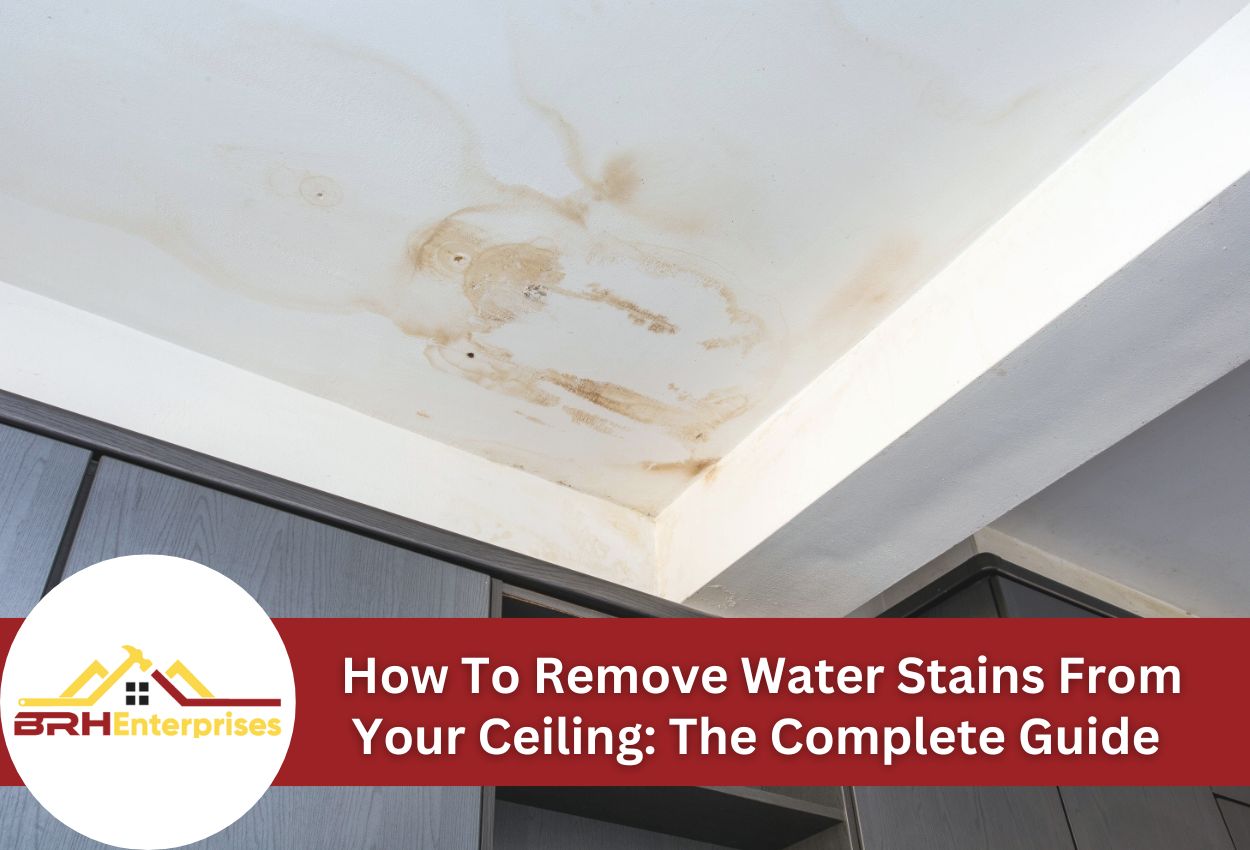 May 23, 2025How To Remove Water Stains From Your Ceiling: The Complete GuideFrustrated with ceiling water stains? Discover DIY removal tips and how to prevent them. Restore your ceiling with our easy guide today.
Protect Your Home with Expert Roofing
Don’t wait for leaks or storm damage to cause costly repairs. Our experienced roofing team provides fast, reliable service, high-quality materials, and lasting results. Ensure your home stays safe, secure, and looking great—contact us today for a free estimate.