

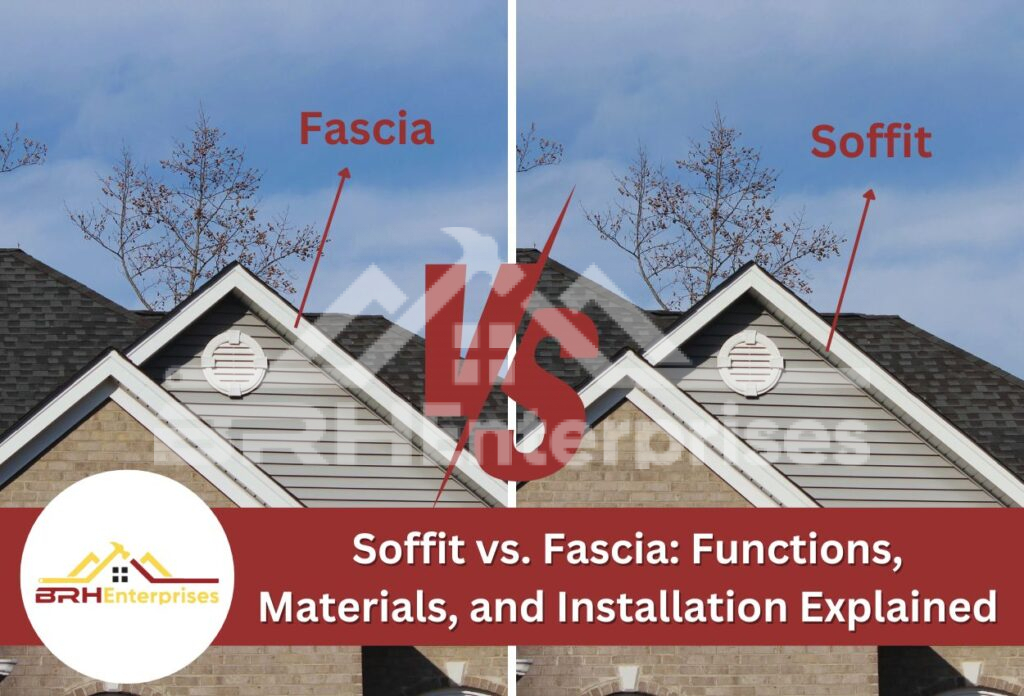
When planning home improvements, obvious things like paint colors or new windows might draw your attention. But there’s more to your home’s exterior than what immediately catches your eye.
Two often-overlooked things on your home’s structure are your soffit and fascia. While these terms might sound technical, they’re actually simple parts of your home that play a big role in protecting your house and keeping it looking great.
New homeowners often find themselves confused between the soffit and fascia, so in this blog post we aim to compare the soffit vs. fascia in detail.
Key Takeaways: Soffit vs. Fascia
- Budget Breakdown: Full soffit and fascia replacement costs $900–$7,000 for 100–200 linear feet, with labor adding $5–$20 per linear foot to material costs.
- Critical Function Difference: Soffits provide essential attic ventilation and pest prevention, while fascia supports your gutter system and protects roof edges from water damage.
- Maintenance Saves Money: Inspect fascia annually for water damage and clear soffit ventilation holes regularly—neglect leads to repairs averaging $500–$2,600.
- Installation Complexity: Soffit installation is simpler and more affordable, while fascia requires precise measurements and gutter integration, potentially adding 7–15% to labor costs.
What is a Fascia?
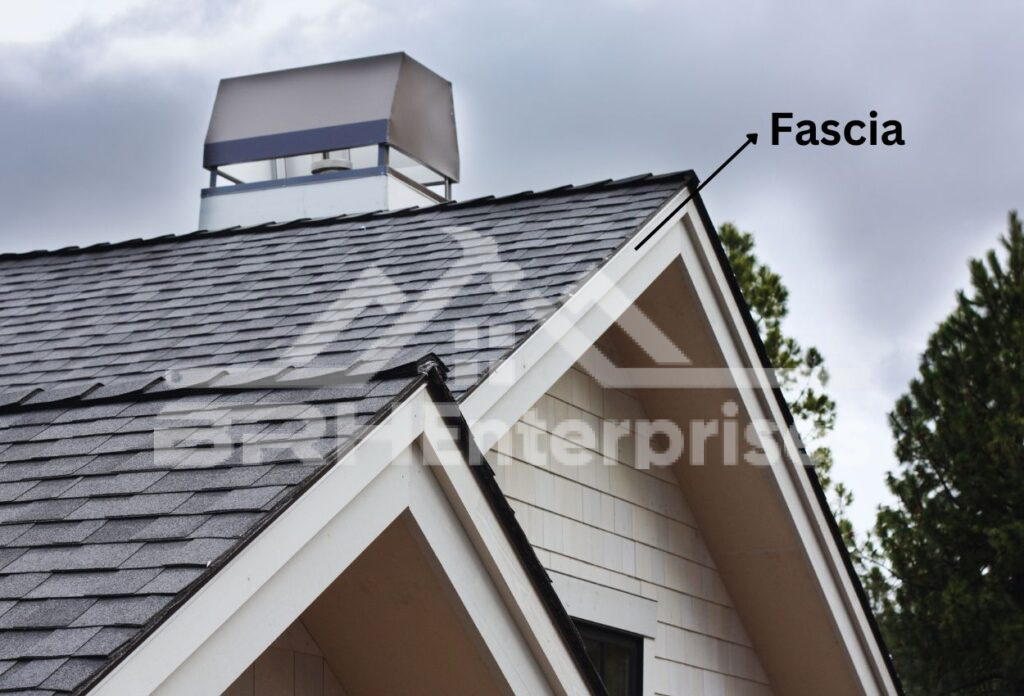
The fascia is the long, straight board that runs parallel to your roof’s edge, covering the end of the rafters where they meet the outer wall, and recognizing early signs of fascial damage can help prevent costly repairs. It’s the part you see when looking directly at your home’s roofline. This board does more than just complement your home’s overall appearance, it protects the interior of the roof from weather damage and serves as a mounting point for your gutters.
What is a Soffit?
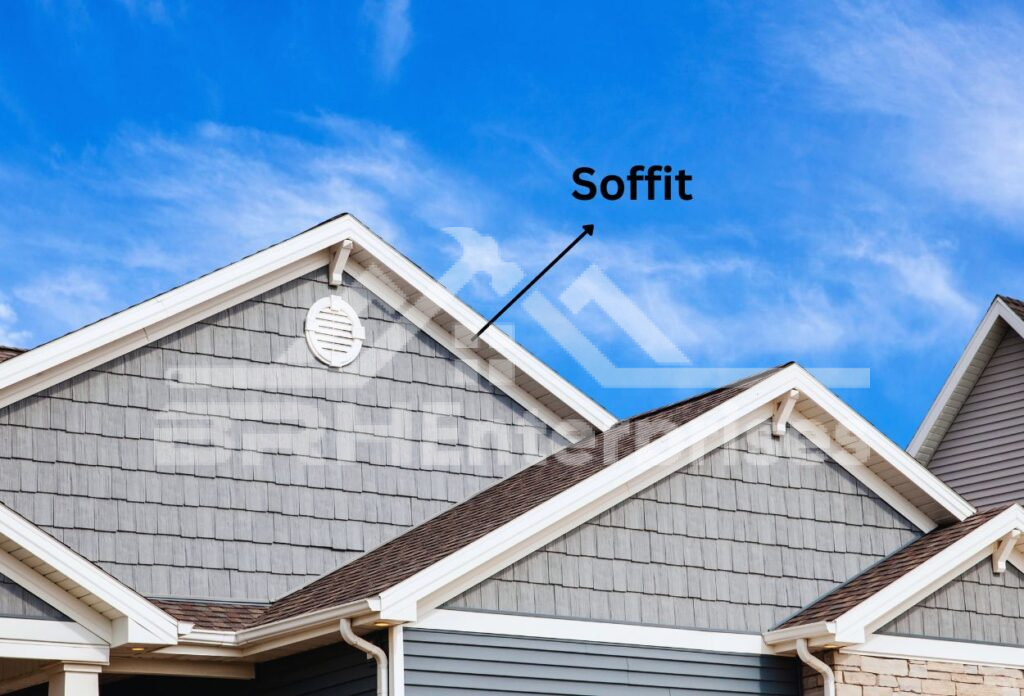
The soffit might be less visible than the fascia, but it’s equally important. When you stand under your roof’s overhang and look up, you’ll find the soffit. It’s the finished surface beneath the fascia that connects your roof to your home’s exterior walls. This component plays an important role in your home’s ventilation system.
Soffit vs. Fascia: A Detailed Comparison
Now that you understand what the soffit and fascia are, we will examine how these two components differ and work together in various ways. Here is a quick comparison of the soffit vs. fascia.
1. Location and Visibility
- Fascia: You’ll find this board running vertically along your roofline, visible from the street.
- Soffit: Located underneath the roof overhang, visible when you look up from ground level
2. Main Functions
- Fascia: The fascia board supports your gutter system. It also protects the roof edges from water damage. This board creates a clean and finished look for your roofline.
- Soffit: It provides the required attic ventilation and protects rafters from weather exposure. A soffit is very important as it prevents pests from entering your attic.
3. Material Choices
Both soffits and fascia boards can be made from various materials, each with unique benefits. Make sure that you choose the right material that aligns with your budget, your local area’s climate, and your home’s overall style.
Fascia:
There are various types of fascia board materials that you can choose from. The below table has a brief classification of these materials and their cost.
| Fascia Material | Cost |
|---|---|
| Vinyl | $5 – $9 per linear foot |
| Wood | $1 – $3 per linear foot |
| Aluminum | $8 – $20 per linear foot |
| PVC | $3 – $7 per linear foot |
Keep in mind these are material-only costs. Labor adds $5–$20 per linear foot, bringing total installed costs to $7–$25 per linear foot.
| Cost Component | Price Range (per linear foot) | Notes |
|---|---|---|
| Material Only | $2–$5 | Raw material costs vary by type |
| Labor | $5–$20 | 7–15% higher for complex installations |
| Total Installed Cost | $7–$25 | Material + labor combined |
- Soffit: Similarly, you will find different material options for your soffit. You need to make the right decision according to your budget and preference. The table below offers a brief description of common soffit material choices.
| Soffit Material | Cost |
| Vinyl | $5 – $9 per linear foot |
| Aluminum | $8 – $20 per linear foot |
| Wood | $1 – $3 per linear foot |
| Fiber cement | $1 – $5 per linear foot |
For soffits, labor costs range from $1.50–$7 per linear foot, making total installed costs $4–$22 per linear foot.
4. Maintenance Requirements
The maintenance needs of fascias and soffits differ slightly:
- Fascia: Fascia boards need regular cleaning to prevent mold growth and annual inspection for water damage. If the gutters start pulling away from the fascia board, you will need to consider immediate repairs. You may also want to repaint them every 5 to 7 years depending on material.
- Soffit: You need to make sure that the ventilation holes are cleared regularly, and you should also check for pest intrusion. Look for water stains on the soffit, and make sure it has a proper airflow.
Staying on top of regular maintenance can save money long-term, as repair costs average $500–$2,600 when problems develop.
5. Appearance and Design
- Soffit: Typically has a more functional design, with limited decorative options. The soffits can be closed or have soffit vents for ventilation purposes.
- Fascia: Enhances the appearance of a home and offers more design choices. You can select different profiles and styles to complement your home’s architecture and boost curb appeal.
6. Installation
- Soffit: Generally easier and less complex to install. A simple installation involves attaching soffit panels to the underside of the roof overhang.
- Fascia: Installation can be more challenging, requiring precise measurements and integration with the gutter system. This may involve working at heights and navigating complex rooflines.
7. Cost
| Project Scope | Linear Feet | Total Cost Range | Per Square Foot |
|---|---|---|---|
| Typical Full Replacement | 100–200 | $900–$7,000 | $10–$35 |
| One-Story Home | ~250 | $2,200–$8,500 | — |
| Repair (vs. Replace) | Varies | $500–$2,600 | — |
Full replacement projects typically cost $900–$7,000 for homes with 100–200 linear feet of material needed. For larger homes, one-story homes with approximately 250 linear feet can expect costs of $2,200–$8,500.
- Soffit: Material costs vary depending on the choice of material, but labor costs are typically lower because of easier installation.
- Fascia: Material costs are similar to soffit, but labor costs can be higher because of the more complex installation process. Complex or hard-to-reach areas can add 7–15% to labor costs.
8. Ventilation
- Soffit: Plays a direct and important role in attic ventilation, helping to regulate temperature and prevent moisture problems.
- Fascia: Does not have a direct role in ventilation. Its primary function is to support the gutters and protect the roof edge.
9. Lifespan and Durability
- Soffit: Generally experiences less wear and tear due to being somewhat protected under the eaves. Lifespan depends on the material chosen.
- Fascia: More exposure to the elements, potentially leading to faster wear and tear. Durability varies based on the material, with aluminum being a highly durable option.
We Are Here To Assist You With Professional Fascia and Soffit Services In Mayville, WI
If you are looking for high-quality fascia and soffit services in Mayville, and the surrounding areas of Wisconsin, then we are here to assist you. Our team of expert professionals has the relevant knowledge and practice to handle whatever comes your way in terms of damage.
For many years, we’ve earned the trust of local homeowners through honest work and lasting results. Whether you need a simple roof repair, new installation, or complete roof replacement, we treat every project with the same care we’d give our own homes.
Our experienced local team knows Wisconsin homes inside and out. We value the faith our community places in us, which is why we stand behind every project with our workmanship guarantee. To get a personalized quote call us today at (920) 249-4228.
Can I replace just the fascia without replacing the soffit?
Yes, you can replace fascia independently if only that component is damaged. However, professionals often recommend inspecting both simultaneously since water damage affecting one area frequently impacts the other. Replacing both together can also save on labor costs for future projects.
What are the signs that my soffit or fascia needs immediate attention?
Watch for peeling paint, visible rot or soft spots, water stains, sagging sections, or pest activity like wasp nests. Gutters pulling away from the roofline also indicate fascia problems. Addressing these issues promptly prevents more extensive structural damage to your roof and attic.
How does climate affect my choice between wood, vinyl, and aluminum for soffit and fascia?
In Wisconsin’s humid summers and freezing winters, aluminum resists moisture and temperature fluctuations best. Vinyl can crack in extreme cold, while wood requires more maintenance in wet climates. Fiber cement offers excellent durability in varied weather conditions with minimal upkeep requirements.
Will vented or non-vented soffit make a difference in my attic temperature?
Vented soffits significantly improve attic ventilation by allowing cool air intake that works with ridge vents to create airflow. This reduces summer cooling costs, prevents ice dams in winter, and extends roof shingle lifespan. Non-vented soffits are only appropriate for homes with alternative ventilation systems.
Should soffit and fascia match my home’s siding or trim color?
Fascia typically matches trim colors since it’s highly visible from street level, creating visual continuity with window frames and corners. Soffit usually coordinates with siding or is painted white for a classic look. Matching both to existing exterior elements creates the most cohesive appearance.
Final Thoughts
Understanding the relationship between the soffit vs. fascia helps maintain your home’s exterior effectively.
While they serve different purposes, both components are equally important for protecting your home from weather damage and maintaining proper ventilation. When planning repairs or replacements, consider your local climate, budget, and long-term maintenance preferences.
Keep in mind that proper installation is important for both of these components to work effectively. As we always say, improper installation can be the cause behind early damage to your building’s structure.

Bryce, Master Roofer
Related Articles
-
 December 31, 2025Best Roof Shingle Brands In WisconsinStrong roofs are extremely important, particularly in Wisconsin, where the winters can be extremely harsh and the rest of the …
 -
 May 4, 2024How To Easily Repair Rotted Roof EavesEven though they might not seem like much, roof eaves are an important part of your home’s exterior because they …
 -
 July 29, 2025Garage Door Installation Preparation: A Complete GuideInstalling a garage door? Learn key prep steps like measuring and electrical setup for a smooth install in your Wisconsin home.
Protect Your Home with Expert Roofing
Don’t wait for leaks or storm damage to cause costly repairs. Our experienced roofing team provides fast, reliable service, high-quality materials, and lasting results. Ensure your home stays safe, secure, and looking great—contact us today for a free estimate.