

Residential Roof Inspection in Lomira, WI
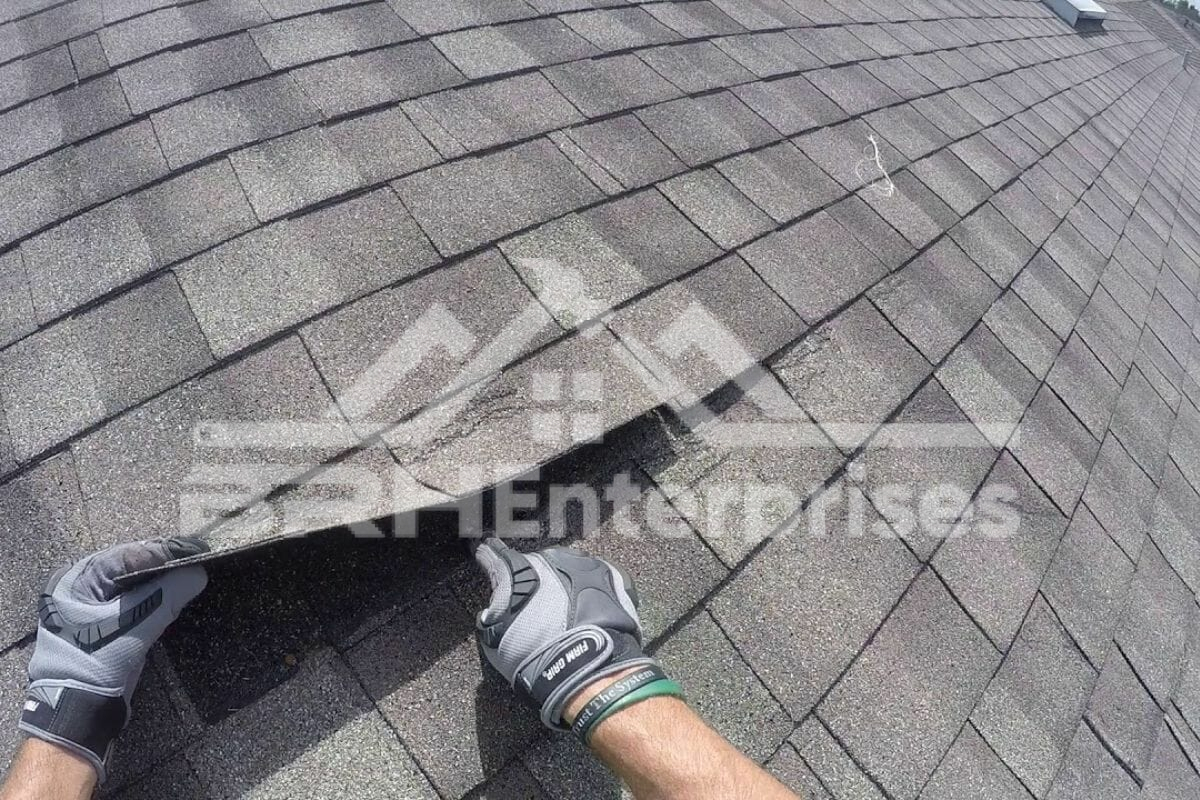
Lomira sits in the middle of Wisconsin’s full seasonal swing, and your roof takes the brunt of all of it. Winters bring heavy snow, ice buildup, and repeated temperature changes that work on shingles, flashing, and sealants in ways that aren’t always obvious right away. Spring arrives with heavy rain and snowmelt that can find its way through any weakness winter left behind. By the time a leak shows up on your ceiling or you notice staining in your attic, the damage has usually been building for a while. For older single-family homes common to smaller Wisconsin communities like Lomira, aging materials and worn flashing around chimneys and vents can make that timeline even shorter.
A professional residential roof inspection gives you a clear picture of where your roof actually stands before small problems become expensive ones. BRH Enterprises LLC works with Lomira homeowners to take a complete look at everything from shingle condition and granule loss to the transitions, step flashing, and drainage points that tend to fail first in this climate. Gutters and drainage slope matter here too, because blocked or poorly pitched drainage can push water back under roofing materials during heavy rain or spring snowmelt. Catching those issues early, especially after a hard winter or a significant storm, is what keeps a manageable repair from turning into a much larger project that may require permits and extended work.
How a Roof Inspection Works in Lomira, WI
A roof inspection is most valuable when you understand what is being evaluated and what happens after the assessment is complete. Here is how BRH Enterprises LLC conducts a residential roof inspection from the initial appointment through the final review.
- Step 1: Appointment Setup and Inspection Preparation
The process begins by selecting a convenient inspection time and confirming any areas of the property that may need to be accessed during the visit. This helps ensure both exterior and interior observations can be completed efficiently without requiring extensive preparation beforehand. - Step 2: Full Roofing System Assessment
The inspection covers the roofing system as a whole rather than focusing on a single issue. Roofing materials are evaluated for wear, aging, material loss, and physical damage. Particular attention is given to flashing, roof gaps, drainage components, and attic conditions that may reveal signs of a leak or ventilation concerns. - Step 3: Condition Recording and Documentation
Observations made during the inspection are documented to create a clear record of the roof’s current condition. Areas showing deterioration, drainage concerns, weather-related wear, or other notable findings are identified so there is an accurate understanding of the roof’s overall performance. - Step 4: Findings Review and Professional Guidance
After the inspection is complete, the results are reviewed in straightforward terms. The condition of the roof is explained, any concerns are discussed, and recommendations are based entirely on the findings. If no corrective work is necessary, that is communicated just as clearly as when repairs are recommended. - Step 5: Repair Planning and Next Steps
If issues are identified, available options are discussed along with the most practical path forward. Potential repair requirements, project considerations, and any applicable permitting factors are reviewed so you have a clear understanding of what comes next and can make informed decisions about the roof.
What Gets Inspected on Your Roof in Lomira, WI
A complete residential roof inspection covers more than just the shingles you can see from the street. In a Wisconsin climate where heavy snow, rain, and repeated temperature changes put steady pressure on roofing materials throughout the year, the details that get overlooked are often the ones that matter most.
- Asphalt shingle condition: Inspectors look for granule loss, lifted or cracked edges, blistering, and age-related wear that signals a shingle is nearing the end of its useful life.
- Flashing at gap points: Chimneys, vents, and skylights are where leaks tend to start first. Step flashing, sealants, and transitions at these openings get close attention because small gaps get worse quickly after temperature changes and snowmelt.
- Gutters and drainage: Blocked gutters or a poor slope can push water back under roofing materials during heavy rain. The inspection checks for overflow points, improper pitch, and debris buildup that can create problems before they reach the interior.
- Attic and ventilation: Signs of moisture, staining, or poor airflow in the attic often reveal leak sources that are not visible from the surface of the roof. Ventilation problems can also accelerate shingle deterioration from the inside out.
- Structural surface and fasteners: After a hard winter, heavy snow, and temperature stress can affect fasteners and roof decking in ways that are not immediately obvious from the ground.
Getting a full picture of all these areas gives you the information you need to decide whether a simple repair is enough or whether a larger project may be on the horizon.
Written Inspection Report You Can Keep and Use
After the inspection, you receive a documented record of your roof’s condition, not just a verbal summary. That written report is useful if you’re planning repairs, preparing for a real estate transaction, or need documentation of storm-related damage for any purpose.
Storm and Hail Damage Identification
Wisconsin storms can leave damage that isn’t obvious from the ground, including bruised shingles, dented flashing, and loosened granules that only become visible up close. Identifying that damage shortly after a severe storm gives you an accurate account of what the storm actually did to your roof before conditions change.
Pre-Winter Vulnerability Check
A fall inspection specifically looks for weak points that are likely to get worse once cold weather, snow, and ice arrive. Small flashing gaps, worn sealants, and compromised shingle edges that might hold through a mild season can become active leaks once temperatures drop and moisture gets trapped.
Permit Planning Awareness
If the inspection turns up issues that go beyond a minor repair, such as work involving chimneys, skylights, or significant structural areas, knowing that early helps you plan around local permit requirements in Lomira before the project gets started. That kind of heads-up can save you time and prevent unexpected delays once work begins.
Schedule Your Residential Roof Inspection in Lomira, WI
Wisconsin winters don’t go easy on roofing materials, and spring has a way of revealing what the cold season left behind. If your home hasn’t been inspected recently, you may not know whether your shingles, flashing, and drainage points are holding up or quietly working against you. A fast inspection gives you a clear, accurate picture of your roof’s condition so you can plan around what’s actually needed rather than guess or wait for a problem to show up inside your home.
BRH Enterprises LLC is ready to help homeowners in the Lomira area get that information without any pressure or complicated process. Reach out when you’re ready, and we’ll take a complete, honest look at what your roof is telling you.