

Residential Roof Inspection in Oakfield, WI
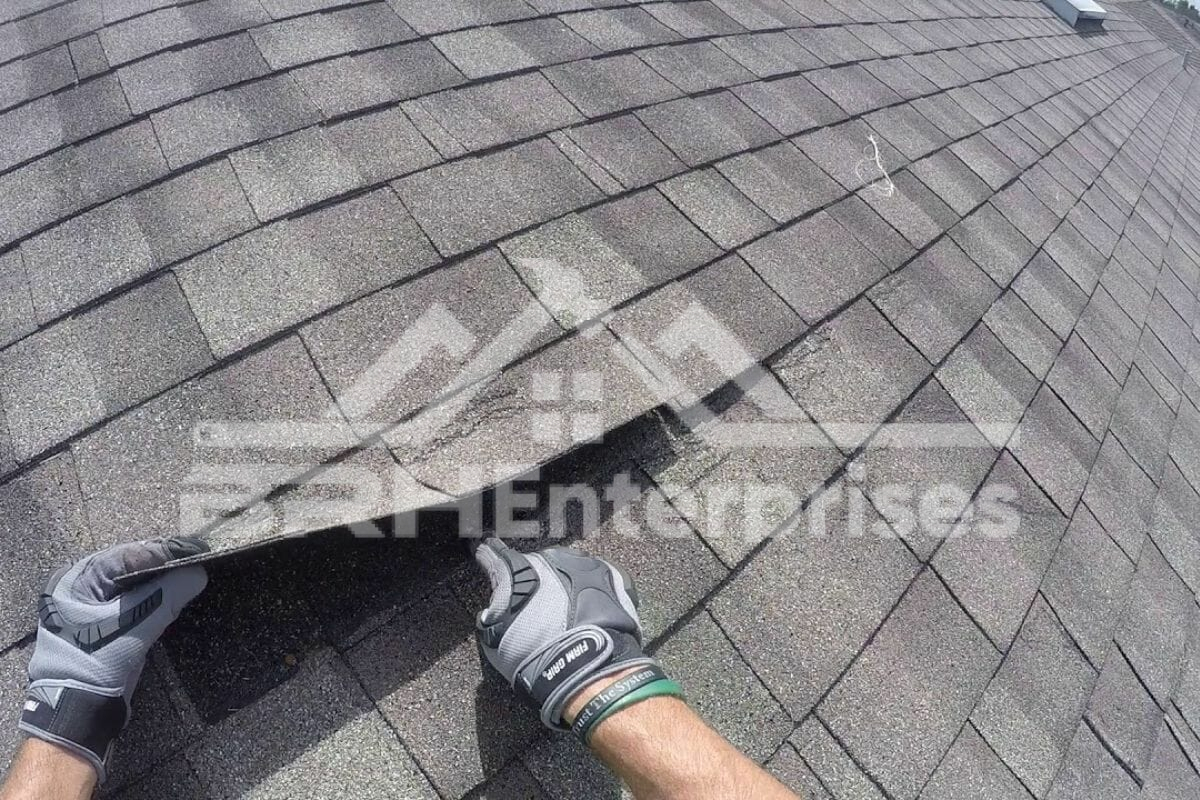
Roofs in Oakfield take a beating throughout the year. East-central Wisconsin winters bring extended snow cover, ice buildup along roof edges, and repeated temperature changes that work against shingles, flashing, and sealants over time. Lifted shingle tabs, cracked sealant around chimneys and vents, and separation at valley intersections can all develop gradually through the cold season, often without any obvious signs until snowmelt or a stretch of spring rain pushes moisture into your attic or ceiling. For homeowners with roofs that are ten years or older, that cycle of stress adds up faster than most people expect.
A professional residential roof inspection gives you a clear picture of where your roof stands before small problems grow into expensive repairs. BRH Enterprises LLC works with homeowners across Oakfield and the surrounding area, inspecting the full surface of the roof along with edges, gaps, flashing transitions, gutters, and attic conditions that can point to hidden moisture issues. Many homes in this area have steeper pitches, attached garages, porches, and multiple rooflines that create more inspection points than a straightforward gable roof, and those added transitions are often where wear shows up first.
Whether you're keeping up with routine maintenance, following up after a rough winter, or preparing to buy or sell a home, a complete inspection gives you the information you need to make confident decisions about your roof and your investment in your property.
How Our Roof Inspection Works in Oakfield, WI
Understanding the inspection process ahead of time can make it easier to know what is being evaluated and why. Here is how BRH Enterprises LLC handles a residential roof inspection from the initial scheduling through the final review.
- Step 1: Scheduling and Inspection Preparation
We begin by coordinating a time that works with your schedule and confirming access to the areas being inspected. This may include the roof, attic, attached structures, and any additional roof sections you want evaluated. Preparing access ahead of time helps ensure the inspection is as complete as possible. - Step 2: Full Roof Evaluation
The inspection includes a detailed review of the entire roofing system. We examine shingles, flashing, valleys, roof gaps, ridge areas, roof edges, and gutter systems. Special attention is given to transition points where different roof sections connect, as these locations often experience wear before other areas. Attic conditions are also reviewed for signs of moisture, ventilation concerns, or other indicators that may not be visible from the exterior. - Step 3: Condition Documentation
Throughout the inspection, we record our findings with photographs and detailed notes. This documentation provides a clear picture of the roof's current condition and can serve as a useful reference for future maintenance planning, property transactions, or long-term roof management. - Step 4: Findings Review and Recommendations
Once the inspection is complete, we review the results with you and explain what was observed. If the roof is performing well and no repairs are needed, we will tell you that directly. When concerns are identified, we explain their significance and discuss any recommended next steps based on the condition of the roof. - Step 5: Guidance Moving Forward
Before the inspection concludes, we provide clear information about what comes next. If repairs are recommended, we explain the purpose of the work and the areas involved. If no immediate action is necessary, we discuss conditions to monitor over time so you have a better understanding of how your roof may change as it continues to age.
What a Roof Inspection Covers in Oakfield, WI
Homes in the Oakfield area tend to have more going on roofline-wise than a simple single-pitch structure. Steeper pitches, dormers, chimneys, multiple valleys, and attached or detached outbuildings all add inspection points where wear and leaks are more likely to develop. Knowing what gets inspected helps you understand exactly what you're getting from the process.
- Shingle surface condition: Curling tabs, exposed fasteners, granule loss, and cracked or lifted areas that signal age-related wear or wind damage
- Flashing at transitions: Chimney bases, vent boots, valley seams, and wall-to-roof connections where separation or sealant failure can let water through
- Ridge and edge areas: Where repeated temperature changes tend to cause subtle lifting, cracking, or sealant breakdown that gets worse through winter
- Gutters and drainage: Overflow buildup, improper slope, and debris that can back up moisture against the edges of the roof over time
- Attic conditions: Ventilation problems and moisture signs that can point to roofing issues, even when the exterior looks intact
- Outbuildings and attached structures: Detached garages, sheds, and additions that age differently from the main house and are often overlooked until a problem becomes visible
Storm damage documentation is another reason homeowners schedule inspections, particularly after wind storms or a heavy stretch of spring rain following a hard winter. Whatever brings you to the inspection, this is a complete look at your roof from surface to structure.
Fastener and the Underlayment’s Structural Integrity Check
Beyond what's visible on the surface, we look for signs that fasteners are backing out, lifting, or corroding, and that the underlayment beneath your shingles hasn't been compromised by moisture or age. In Wisconsin's climate, these hidden details often determine how much life your roof has left before bigger repairs become unavoidable.
Sealant and Adhesive Failure Points
Cold winters and repeated temperature changes put constant stress on the sealants that hold shingle tabs down and seal around gaps. We check for dried, cracked, or separated sealant at the spots most likely to fail first, so you know exactly where your roof is vulnerable before the next heavy rain or wind storms hit.
Ice Dam Risk and Edge Wear Patterns
Ice damming along roof edges is a recurring issue for Oakfield homes after prolonged snow cover, and the damage it leaves behind isn't always obvious once the ice is gone. We look for the wear patterns, staining, and edge deterioration that ice buildup causes, giving you a realistic picture of how last winter affected your roof and what that means going forward.
Roof Decking Condition Beneath the Surface
Soft spots, sagging areas, or signs of moisture damage in the roof decking can indicate long-term leak exposure that shingles alone won't reveal. Catching roof decking problems early keeps a straightforward repair from turning into a much larger project involving structural work, which matters a great deal for your investment in your property.
Schedule a Residential Roof Inspection in Oakfield, WI
Wisconsin's seasons are hard on roofs, and that wear tends to build quietly over time. After years of snow, ice, wind, and temperature changes working against shingles, sealants, and flashing, small vulnerabilities can sit unnoticed until a stretch of spring rain or a hot summer afternoon makes them impossible to ignore. Catching those issues early keeps your options open and protects your investment in your property before a straightforward fix becomes something much more involved.
BRH Enterprises LLC is ready to help you get a clear picture of where your roof stands. Whether you're doing routine maintenance, following up on a hard winter, or preparing for a home sale, a complete inspection gives you real information to work with. Reach out to BRH Enterprises LLC when you're ready, and we'll take it from there.