

How to Fix a Partial Roof Collapse in WI: Safety and Repair Guide
Key Takeaways
- Emergency Action: Immediately evacuate affected areas, shut off utilities, document all damage for insurance, and quickly contact professional emergency roof repair after collapse services.
- Never DIY: Do not attempt temporary roof support systems yourself; rely on professionals for specialized bracing, shoring, and emergency tarping to stabilize the structure safely.
- Prevent Future Collapses: Strengthen your roof by upgrading supports, improving attic ventilation, ensuring adequate insulation, and consistently removing heavy snow to withstand Wisconsin’s climate.
- Choose Wisely: Select a Wisconsin roofing contractor who is licensed, fully insured, experienced in structural repairs, and knowledgeable about local building codes and weather-related challenges.
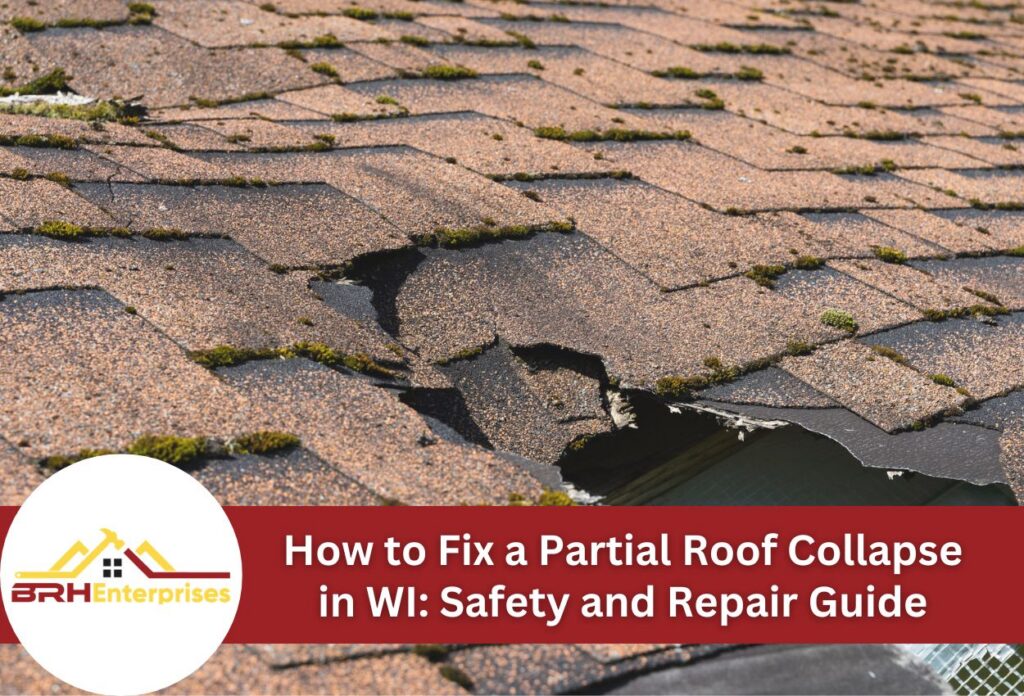
A partial roof collapse represents one of the most serious emergencies a Wisconsin homeowner can face. When sections of a roof suddenly give way due to heavy snow, ice dams, structural deterioration, or severe storm damage, immediate action becomes essential to protect both people and property. Unlike minor leaks or missing shingles, a partial collapse indicates significant structural damage that requires professional emergency roof repair after the collapse. The weight of Wisconsin’s harsh winters, combined with aging materials or improper construction, can lead to catastrophic failure without warning. Understanding what qualifies as a partial collapse—typically characterized by visible sagging, fallen rafters, interior ceiling damage, or exposed areas where the roof structure has failed—helps determine the severity of the situation. Temporary roof support systems may be necessary to prevent additional damage while permanent structural damage roof repair solutions are arranged. Quick response to roof collapse causes and solutions prevents leaks, further structural compromise, and potential injury to occupants.
Immediate Steps to Take When You Discover a Partial Roof Collapse
The moment a partial roof collapse is detected, evacuating all occupants from affected rooms and areas directly beneath the damaged section becomes the top priority. Structural damage roof repair professionals should be contacted immediately, but before they arrive, homeowners must take important safety measures. Shutting off electricity to affected areas prevents electrocution risks from exposed wiring or water contact with electrical systems. If water lines run through the compromised space, closing the main water valve helps avoid additional flooding. Securing the property by placing warning barriers around exterior debris zones keeps family members and neighbors safe from falling materials. For emergency roof repair after collapse documentation, photographing the damage from multiple angles captures the extent of structural compromise for insurance claims. Taking detailed notes about when the collapse occurred, weather conditions at the time, and any unusual sounds or warning signs creates a detailed record. Contacting your insurance provider within hours of discovery starts the claims process and often triggers emergency mitigation coverage. These initial actions protect lives while preserving evidence needed for roof collapse causes and solutions by structural engineers and roofing contractors.
Common Causes of Roof Collapses in Wisconsin Homes
Wisconsin’s climate creates exceptional stress on residential roofing systems through heavy snow accumulation, persistent ice dams, and damaging freeze-thaw cycles. Snow weight exceeding design specifications places enormous pressure on rafters and trusses, particularly when wet snow adds concentrated weight to specific areas. Ice dams form along eaves when melting snow refreezes, creating barriers that trap water beneath shingles and saturate underlying structures. Repeated freeze-thaw cycles expand small cracks, turning them into serious structural weaknesses that compromise load-bearing capacity. Beyond weather-related factors, poor construction practices, including undersized support beams, inadequate bracing, and improper load distribution, contribute significantly to roof failures. Water damage from unrepaired leaks gradually rots wooden structural components, reducing their ability to bear normal loads. Age-related deterioration weakens connections between rafters and walls, causing joints to separate under stress. Homes built before updated building codes often lack sufficient reinforcement for Wisconsin’s tough conditions. Recognizing these roof collapse causes and solutions helps homeowners understand why temporary roof support systems, roof reinforcement, and restoration become necessary to prevent future failures.
Emergency Roof Stabilization and Temporary Protection Methods
Professional contractors deploy specialized temporary roof support systems to stabilize compromised sections immediately after a partial collapse occurs. These emergency measures include adjustable steel bracing posts that transfer weight away from damaged rafters onto solid structural points, preventing further sagging or complete failure. Engineered shoring systems use vertical supports and horizontal cross-bracing to hold weakened sections in place while permanent structural damage roof repair plans are developed. Emergency tarping provides important weather protection by covering exposed areas with heavy-duty reinforced materials secured with anchor points that won’t damage remaining sound structure. Professional installers ensure tarps extend well beyond damaged zones and create proper water runoff channels to prevent pooling. Homeowners should never attempt to install temporary roof support systems themselves, as entering structurally compromised spaces without proper training, equipment, and safety protocols poses extreme danger. DIY stabilization efforts often make existing damage worse or create new hazards through improper weight distribution or inadequate bracing. Emergency roof repair after collapse services include structural assessment before any stabilization work begins, ensuring chosen methods match the specific failure pattern and remaining load capacity of the roofing system.
Professional Assessment and Structural Damage Evaluation
Roofing contractors specializing in structural damage roof repair conduct inspections to determine the full scale of collapse damage before developing repair plans. This evaluation process begins with exterior assessments that examine visible damage on the surface of the roof, sagging areas, and the condition of fascia boards and soffit components. Professional inspectors then carefully enter affected spaces to evaluate trusses, rafters, ridge beams, and support columns for cracks, splits, or separation from connection points. Load-bearing walls receive a thorough examination to identify whether collapse forces transferred stress to vertical supports, potentially compromising their structural integrity. Roof deck inspection reveals whether plywood or OSB panels suffered water damage, crushing, or separation from support members. Engineers may use moisture meters to detect hidden leaks that weaken structural components before collapse occurs. This detailed assessment identifies which elements require complete replacement and those that can be reinforced through roof reinforcement and restoration techniques. The inspection findings guide the development of a repair plan that addresses all compromised components, ensures compliance with current building codes, and prevents future failures through improved structural design.
The Complete Roof Collapse Repair Sequence
Permanent repairs follow a systematic sequence that begins with removing all damaged roofing materials, including torn shingles, compromised underlayment, and destroyed sections of the roof deck. Contractors carefully extract damaged trusses or rafters, taking care not to disturb sound structural elements that remain intact. Replacement of structural components uses properly sized lumber or engineered beams that meet or exceed load requirements specified by Wisconsin building codes. New rafters are securely fastened to ridge beams and top plates using approved connectors and fastening schedules that ensure proper load transfer. Installation of new roof decking involves securing plywood or OSB panels with appropriate nail patterns that create a solid roof deck for weatherproofing layers. High-quality underlayment application provides important moisture protection before final roofing materials are installed. Contractors complete emergency roof repair after collapse projects by installing shingles, metal panels, or other roofing materials that match existing sections while meeting current manufacturer specifications. Final inspections verify that all structural reinforcement and restoration work complies with local building department requirements, ensuring the repaired roof safely withstands Wisconsin’s tough weather conditions.
Strengthening Your Roof to Prevent Future Collapses
After completing structural damage roof repair, implementing roof reinforcement and restoration measures protects against future failures in Wisconsin’s challenging climate. Upgrading support structures involves installing additional rafters between existing members, adding collar ties to reduce outward thrust on walls, and reinforcing connections with engineered metal connectors that exceed standard building requirements. Sister rafters bolted alongside weakened members distribute loads more effectively across the entire roofing system. Improving ventilation through ridge vents, soffit vents, and proper attic airflow reduces moisture accumulation that weakens wood components and contributes to ice dam formation. Adequate insulation maintains consistent attic temperatures, preventing the freeze-thaw cycles that create ice dams along eaves during Wisconsin winters. Regular inspection protocols should include checking for sagging areas, examining connections for separation, and monitoring attic spaces for water stains or moisture problems. Quick leak repairs prevent minor issues from developing into serious structural compromise. During heavy snowfall, removing excessive accumulation before loads exceed design specifications prevents the conditions that lead to collapse situations requiring emergency roof repair after collapse services.
Selecting a Qualified Contractor for Collapse Repairs
Finding the right contractor to handle emergency roof repair after a collapse requires verifying specific credentials that demonstrate expertise in complex structural damage roof repair projects. Licensed contractors must hold current Wisconsin credentials that authorize them to perform significant structural work beyond basic roofing repairs. Full insurance coverage should include general liability protection and workers’ compensation policies that protect homeowners from liability if injuries occur during repairs. Experience with structural repairs distinguishes qualified contractors from those who primarily handle routine maintenance, as collapse situations require knowledge of load-bearing systems, engineering principles, and temporary roof support systems. Contractors familiar with Wisconsin building codes understand local requirements for snow weight capacity, proper ventilation standards, and inspection procedures that govern major structural work. Knowledge of weather-related roofing challenges specific to the region ensures repairs address the unique stresses created by heavy snow accumulation, ice dams, and freeze-thaw cycles that contribute to failures.
Homeowners should ask potential contractors about emergency response times, as delays can allow weather exposure to cause additional damage requiring more extensive structural damage roof repair. Realistic repair timelines help set expectations for how long temporary roof support systems will remain in place before permanent roof reinforcement and restoration work is completed. Warranty offerings protect the investment by guaranteeing both workmanship and materials against future failures. Understanding the contractor’s process for working with insurance companies streamlines claims by ensuring proper documentation, accurate estimates, and communication that helps maximize coverage for legitimate roof collapse causes and solutions repairs.
Emergency Roof Repair Services by BRH Enterprises LLC
If you’re dealing with a partial roof collapse in Wisconsin, immediate action is important to protect your home and ensure the safety of its occupants. At BRH Enterprises LLC, we specialize in emergency roof repair after a collapse, providing swift, professional services to stabilize and repair your roofing system. Understanding the urgency of such situations, our team is equipped to handle all aspects of structural damage roof repair, from temporary roof support systems to complete roof restoration.
Contact BRH Enterprises LLC now at (920) 249-4228 or visit https://bestroofhelp.com/ to learn more about our roof repair services. We are your trusted partner in restoring safety and functionality to your home, ensuring your roof is fortified against Wisconsin’s challenging weather conditions.
With our expertise in roof collapse causes and solutions, you can trust us to provide effective, long-lasting repairs. Let us help you strengthen your roof and prevent future collapses with our roof reinforcement and restoration services. Your safety is our priority—call us today!

Bryce, Master Roofer
Frequently Asked Questions
Got questions about your roof? We’ve got answers. From maintenance tips to insurance claims and repair timelines, our FAQ section covers the most common concerns homeowners have. Get informed and make confident decisions about protecting your home.
People Also Ask
After documenting and contacting my insurer, what are the next steps for a roof collapse claim in WI?
Expect a claims adjuster to assess the roof collapse damage, often requiring a professional contractor’s detailed repair estimate. Your insurer will review these documents before approving the claim and issuing payments. Many contractors specializing in structural damage roof repair in WI can help navigate this process.
Who is responsible for coordinating inspections and structural approvals after a partial roof collapse repair in Wisconsin?
After a partial roof collapse, local building departments typically require inspections at specific stages of the structural repair process, such as after framing is completed and before roofing materials are installed. In most cases, the licensed contractor performing the work is responsible for scheduling required inspections and ensuring that all structural modifications meet current municipal and state building standards. Homeowners should confirm that inspection approvals are documented in writing before final payment is issued. Proper coordination of these approvals helps verify that the repaired structure meets updated snow and safety requirements applicable in Wisconsin.
What if my home is uninhabitable while fixing a partial roof collapse in WI?
If your home is deemed unsafe, your insurance policy’s Additional Living Expenses (ALE) coverage may cover temporary housing and essential costs. Discuss this with your insurance adjuster and contractor. They can coordinate temporary roof support systems and emergency repairs to expedite your return while working to fix a partial roof collapse.
Related Articles
-
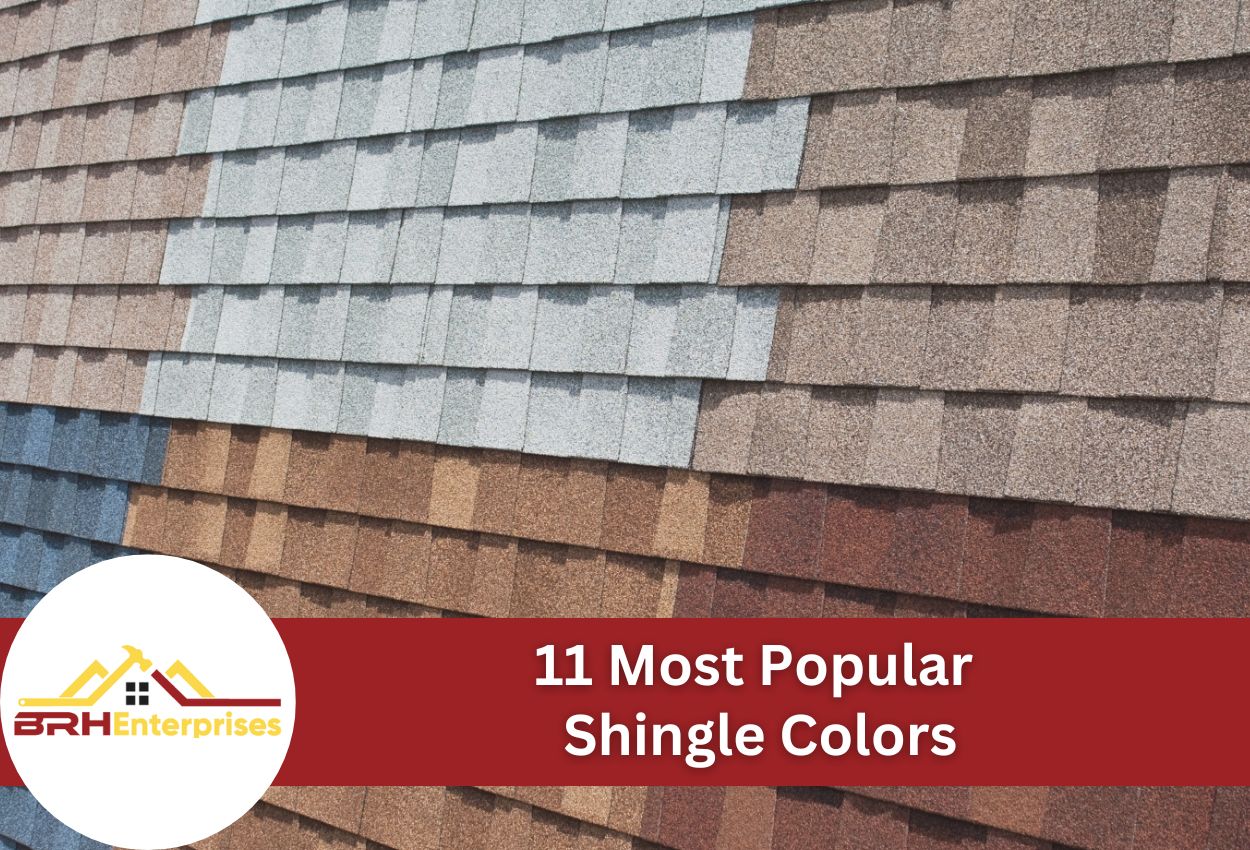 December 31, 202511 Most Popular Shingle ColorsChoosing the perfect roof shingle color for your home can be very fun but slightly confusing, with so many beautiful …
 -
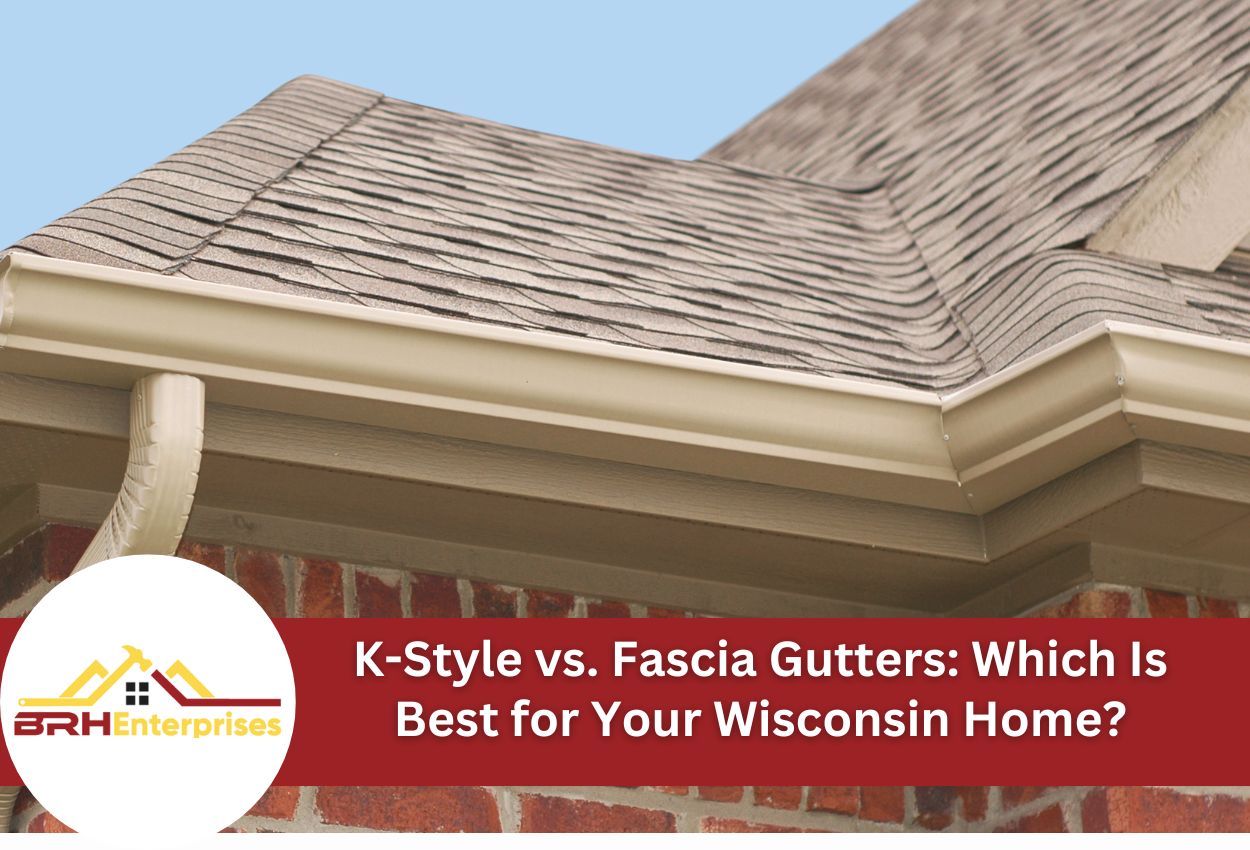 July 29, 2025K-Style vs. Fascia Gutters: Which Is Best for Your Wisconsin Home?K-style vs. fascia gutters? Compare durability, style, and performance to choose the right fit for your Wisconsin home.
 -
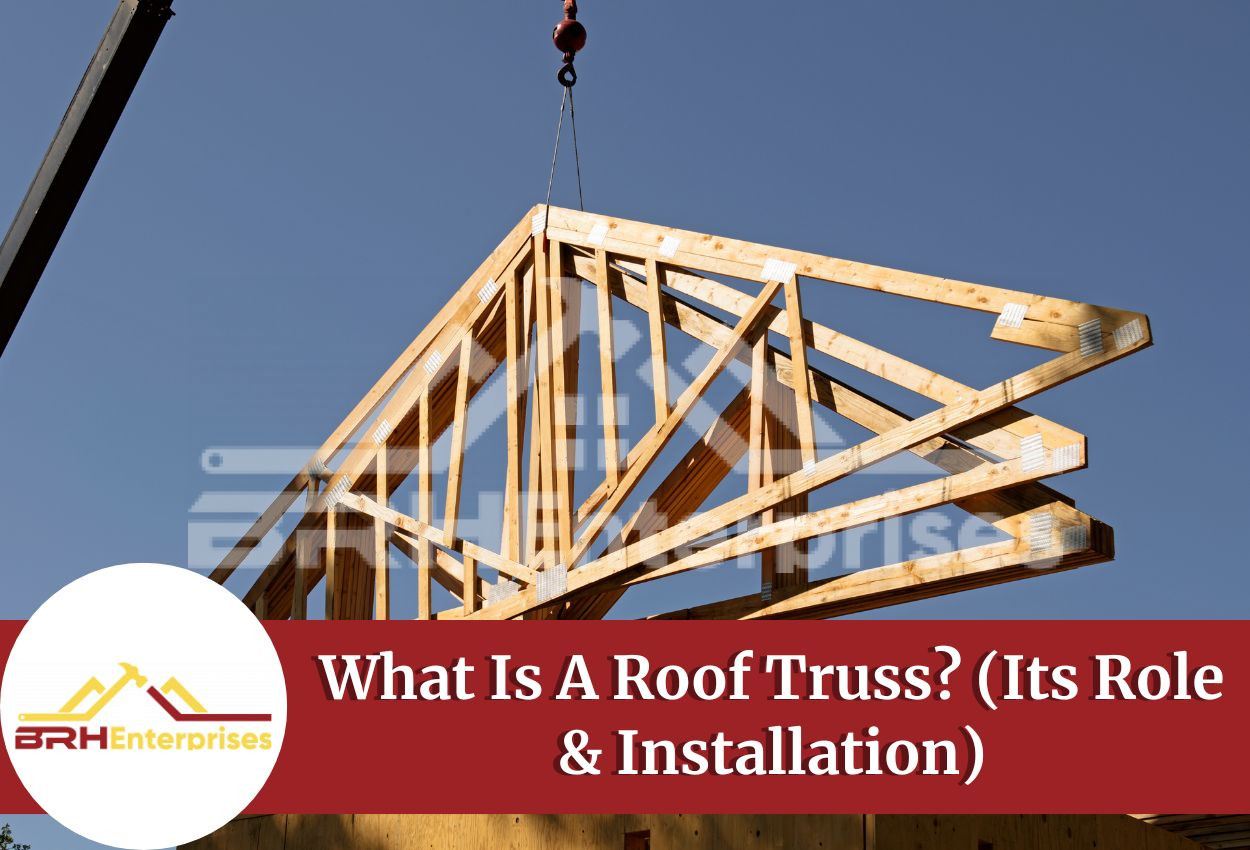 April 1, 2025What Is A Roof Truss? (Its Role & Installation)Your roof is one of the most important and largest investments that you will make in your home. From the …
Continue reading "What Is A Roof Truss? (Its Role & Installation)"
Protect Your Home with Expert Roofing
Don’t wait for leaks or storm damage to cause costly repairs. Our experienced roofing team provides fast, reliable service, high-quality materials, and lasting results. Ensure your home stays safe, secure, and looking great—contact us today for a free estimate.